Scouting & Observations
- Cucurbit Downy Mildew
- Finish the Season Strong: Winter Squash, Fall Weeds, and Cover Crops on Vegetable Farms
- Connecticut Farm Recovery & Support Block Grant Program
- USDOL Northeast Region Agricultural Seminar - Sept 24th
- New England Vegetable & Fruit Conference Returns December 15-17 in Manchester, NH
- Sweet Corn Pest Tracking
Upcoming Events & Opportunities
- September 23rd - Cover Crop Termination Strategies
- September 30th - Applications due for CT Agricultural Composting Program
- October 6th - 2026 UConn Extension Nursery and Perennials Workshop
- October 10th - Applications due for the Ready to Sell Farmer Cohort
- October 21st - Tractor Maintenance Training
- October 24th - Farmland Seeking Skill Share
- October 30th - Intro to Grants for Farmers
- Organic Certification Cost Share Program
- Winter Conference Dates
Cucurbit Downy Mildew
Since CDM was confirmed on cucumber on Long Island, NY, cucumber or cantaloupe growers in CT should begin or continue a preventative fungicide program and scout fields closely. Although this clade of CDM is most associated with cucumber and melons, pumpkins can host either clade of the CDM pathogen. Continue to monitor all cucurbit crops, including cucumbers, melons, pumpkins, squash, and watermelon, for symptoms.
CDM symptoms typically begin as angular, yellow leaf spots bounded by leaf veins. Under humid conditions, dark gray to purple sporulation may be visible on the underside of affected leaves. The disease can progress rapidly and cause substantial defoliation.
Apply fungicides on a weekly schedule. Use a protectant fungicide, such as chlorothalonil or copper, together with a CDM-targeted fungicide, and rotate among FRAC groups to manage fungicide resistance. Effective CDM-targeted materials include oxathiapiprolin (Orondis Ultra), zoxamide + chlorothalonil (Gavel or Zing!), and cyazofamid (Ranman). More information on fungicide options, rates, crop registrations, and preharvest intervals is available in the New England Vegetable Management Guide. Always read and follow the pesticide label.
If you suspect CDM in any of your cucurbit crops, please let me know at shuresh.ghimire@uconn.edu or 959-929-1031 so I can help track this important disease.
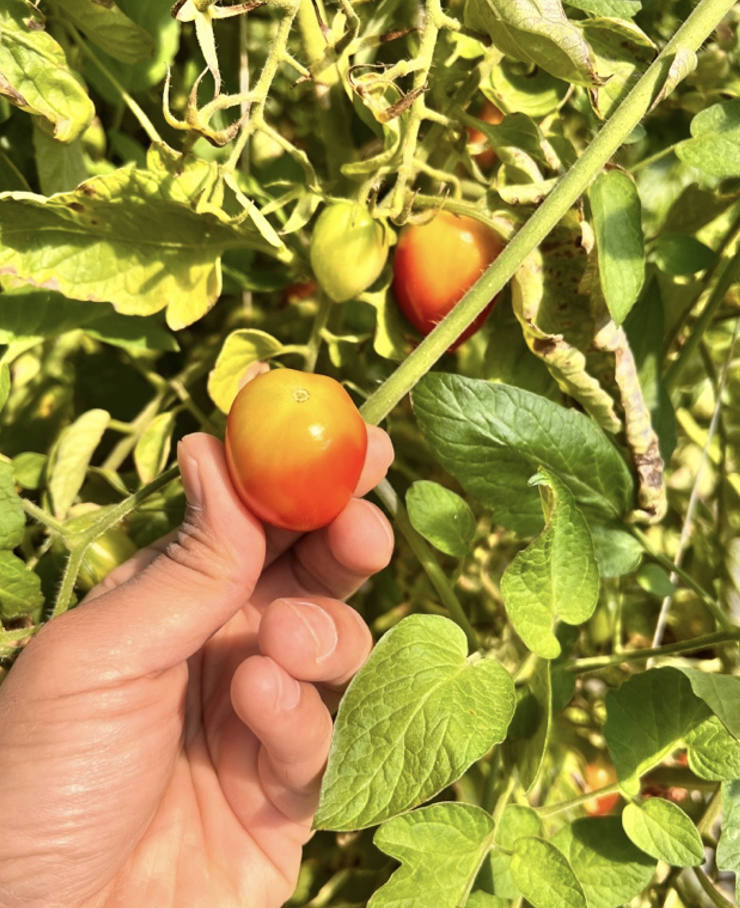
Finish the Season Strong: Winter Squash, Fall Weeds, and Cover Crops on Vegetable Farms
This article was first published in the latest Crop Talk, a quarterly e-newsletter put together by UConn Extension's Integrated Pest Management Team of Educators. View the September 2026 Crop Talk in full.
Introduction
Late summer and early fall can feel like the home stretch on a vegetable farm, but decisions made during these weeks can have consequences well beyond the last harvest. August through October is an important period for protecting the quality of winter squash and pumpkins, preventing weeds from replenishing the soil seedbank, and getting cover crops established while there is still enough growing season left to produce useful biomass.
Maintain healthy winter squash and pumpkin foliage
By late summer, pumpkin and winter squash fields often look tired. Powdery mildew (and sometimes downy mildew too), squash bugs, drought stress, and normal leaf senescence can all reduce the canopy. It may be tempting to view the foliage as unimportant once fruit have reached marketable size, but healthy leaves still have work to do.
First, leaves continue supplying photosynthate while fruit mature. Winter squash may reach nearly full external size well before physiological maturity. During this later period, dry matter and starch accumulate in the fruit, and those reserves are important for texture and sweetness. Fruit harvested substantially before seed maturity have fewer starch reserves available for conversion to sugars during storage and generally have poorer eating quality. Physiological maturity for many winter squash types is at approximately 50–55 days after pollination or fruit set, although it varies by cultivar.
Second, the canopy protects fruit. Good foliage helps shield fruit from direct sun; when vines collapse from powdery or downy mildew, sunscald can become a significant problem. Severe powdery mildew can also reduce fruit quality, storage potential, and pumpkin handle quality.
This does not mean maintaining a perfect canopy indefinitely. The practical goal is to preserve enough functional leaf area to carry immature fruit through maturation. Continue scouting late-season fields and protect foliage from economically important diseases and insects when fruit still need time to mature and when treatment is justified. For pesticide decisions, use the current New England Vegetable Management Guide, follow resistance-management recommendations, observe preharvest intervals, and remember that the pesticide label is the law.
On the other hand, once marketable fruit are mature, keeping them exposed to increasing disease pressure, cool nights, and wet fall weather is not necessarily an advantage. In many situations, bringing mature fruit into a suitable storage environment is preferable to leaving them in a declining field.
Harvest for maturity, not just size or color. Color is useful, but it can be misleading. Many squash reach their characteristic external color before they are physiologically mature. Seed fill is a useful definition of squash maturity and that many cultivars are mature at approximately 50–55 days after fruit set.
Some practical indicators differ among squash species:
- Acorn, delicata, sweet dumpling and other Cucurbita pepo types: For acorn squash, the ground spot changing to a dark orange color is a better maturity indicator than the rind simply becoming dark green. Pie pumpkins should generally reach full mature color. Mature C. pepo types can usually develop acceptable eating quality without an extended postharvest period.
- Kabocha, buttercup and Hubbard types (C. maxima): Look for a dry, corky stem in addition to mature rind characteristics. These fruit accumulate substantial starch and commonly improve in eating quality during storage as starch is converted to sugars. They are also particularly susceptible to sunburn when foliage collapses.
- Butternut and related C. moschata types: Do not assume that the first appearance of a tan rind means the fruit is ready. Standard butternut may turn tan around 45 days after pollination but should remain on the plant approximately another two weeks when conditions allow.
Research from New Hampshire demonstrates that winter squash carotenoid concentrations can continue changing substantially with harvest maturity and storage period. For example, carotenoid concentrations in both C. maxima and C. moschata cultivars increased during postharvest storage in multi-year experiments.
Watch the thermometer. Growers also need to balance additional field maturation against deteriorating fall weather. Winter squash and pumpkins are chilling-sensitive. Chilling injury accumulates with exposure below approximately 50°F, with greater injury as temperature decreases and exposure time increases. Fruit intended for long-term storage deserve particular protection.
A light frost may kill vines without immediately ruining every fruit, but a hard freeze can damage rind and flesh and sharply reduce storability. When mature fruit are in the field and a period of cold or prolonged wet weather is approaching, harvesting before the weather event is usually the better commercial decision.
Handle fruit like a perishable crop. Pumpkins and winter squash look rugged, but they are surprisingly easy to damage. Bruises, cuts, punctures and broken stems provide entry points for decay organisms and shorten storage life.
For pumpkins sold with a handle, cut rather than pull fruit from the vine and retain a sound stem. With some winter squash, especially butternut, removing the stem can reduce punctures to neighboring fruit during bin storage; if stems are removed, allow the scar to heal before long-term storage.
Do not put severely bruised, frost-damaged or badly wounded fruit into long-term storage with sound fruit. Cull aggressively and market questionable fruit first.
Curing is useful, but not identical for every type of squash. “Cure everything” is too simple a recommendation. Species, fruit condition and intended storage duration matter.
C. maxima and C. moschata squash need a short curing period, particularly when healing minor harvest wounds or preparing fruit for storage. Typical curing conditions are approximately 80–85°F for 5–10 days with high relative humidity and good ventilation. Curing promotes wound healing and rind hardening and can accelerate changes associated with eating quality.
However, avoid prolonged warm curing simply because fruit are squash. Acorn, delicata and other C. pepo types generally do not require curing when harvested mature and uninjured, and excessive warm holding can reduce storage life in some of these thinner-skinned types.
Field curing can work during a stretch of warm, dry weather, but that window becomes unreliable in Connecticut as fall progresses. A ventilated greenhouse, high tunnel or warm barn can be more dependable, provided temperature and humidity can be monitored.
Store in a cool, dry, stable and well ventilated space. A useful target for commercial storage is approximately 55°F, with an acceptable range around 50–60°F and roughly 50–70% relative humidity, depending on squash type. Good air circulation is essential. Temperatures that are too low increase chilling injury; temperatures that are too high increase respiration and weight loss. High humidity and condensation encourage decay, while very low humidity increases shriveling and weight loss.
Avoid large temperature swings that cause condensation on fruit. Keep bins off wet floors, maintain airflow around them, and inspect storage regularly. Fruit that experienced chilling, wounds or questionable field conditions should move through the market first.
Storage potential differs considerably among types. Under good conditions, acorn may keep only about 5–8 weeks, pumpkins commonly 2–3 months, buttercup around 2–3 months, while sound butternut and Hubbard types may keep 4–6 months or longer. These are potential storage periods, not guarantees; harvest maturity, disease pressure, handling and storage conditions can shorten them substantially.
Fall weed management: do not let the season end with seed rain
Late-season weed management does not always feel urgent because the cash crop may already have been harvested. From a long-term weed-management standpoint, however, this can be one of the most important periods of the year.
Think of the soil weed seedbank as a bank account. Every weed that produces viable seed makes a deposit. Every seed that germinates and is killed before reproducing is a withdrawal. Reducing new weed seed rain is a central strategy for driving down weed pressure over time.
This is especially important with weeds such as hairy galinsoga, pigweeds, lambsquarters, foxtails and crabgrasses. A field that looks “finished” after vegetable harvest can still produce a large flush of seed before frost if weeds are left unmanaged.
- The first objective: stop seed production.
Immediately after the final harvest, scout the field before turning to the next job. Note which weeds are present, whether they are flowering or producing seed, and whether the infestation is scattered or field-wide.Where annual weeds have not yet produced viable seed, options include shallow cultivation, mowing, hoeing, flaming on appropriate acreage, hand removal, or an appropriate labeled herbicide treatment.For isolated patches of troublesome weeds that already carry mature seed, mowing may simply spread seed around the field. Hand-pulling or cutting and removing seed-bearing plants can be worth the labor, especially where the infestation is still localized.
- Treat perennial weeds differently. Quackgrass, Canada thistle, bindweeds and other perennial weeds require a different strategy because underground rhizomes, roots or other vegetative structures are often more important than seed.Map these patches. Avoid running tillage equipment through a patch and then into a clean part of the field because equipment can move rhizome or root fragments. Tllage can drag vegetative propagules from field margins and infested patches into otherwise clean areas.
After harvest, fall can provide an opportunity to target actively growing perennial weeds without a cash-crop canopy in the way. Depending on the weed and production system, management may involve repeated tillage, mowing followed by regrowth management, or a labeled systemic herbicide. On diversified vegetable farms, always check rotational restrictions before using a herbicide; a product that fits the current fallow field may restrict which vegetable can legally be planted there next spring. Use the current New England Vegetable Management Guide and the product label when making these decisions.
- Do not forget winter annual weeds. Fall is also when winter annuals begin establishing. Chickweed, henbit, deadnettle, some mustards and other winter annual weeds can germinate in late summer or fall, overwinter as small plants, and become substantial weeds early the next spring.This is another reason to avoid leaving harvested vegetable ground bare. A rapidly established cover crop occupies the space, competes for light and nutrients, and reduces opportunities for winter annual weeds to become established.
A useful postharvest sequence:
harvest → scout and map weeds → prevent seed production → address perennial patches → establish the cover crop promptly
Feel free to reach out to me (shuresh.ghimire@uconn.edu) or Amelia Magistrali (amelia.magistrali@uconn.edu) to discuss cover crop options.
Connecticut Farm Recovery & Support Block Grant Program
Summarized from the full press release posted on CT.gov.
Eligible Farmers Encouraged To Apply During Round One by October 7, 2026
ICYMI: Governor Ned Lamont, Connecticut Agriculture Commissioner Bryan P. Hurlburt, and members of Connecticut’s Congressional delegation recently announced that the application period for Connecticut farmers seeking disaster relief funding to cover losses from severe and unseasonable weather events the state experienced in 2023 and 2024 is now open. These funds are coming from an allocation of $52.9 million in disaster relief the Connecticut Department of Agriculture was awarded this summer by the U.S. Department of Agriculture (USDA) due to these weather events.
During 2023 and 2024, Connecticut experienced a number of abnormal weather extremes, including late frost and freeze events, historic flooding along the Connecticut River Valley, flooding in western Connecticut, hail storms, drought, and cumulative impacts of excessive moisture or drought. These were particularly impactful on farms, causing crop losses, infrastructure damage and equipment losses, future economic losses, and increases in the cost of production.
Eligible farmers can apply for disaster relief funding online through the Farm Recovery and Support Block Grant Program by visiting portal.ct.gov/FRS. Round one of applications is open now and will remain open until October 7, 2026. Payments will begin in mid-October, following the review and approval process. Partner organizations will be available to assist farmers with completing their Farm Recovery and Support Block Grant applications.
To qualify, farmers must have earned at least $1,000 in farm income with a minimum of $500 in documented losses from weather events in 2023 and 2024. Payments may cover up to 95% of eligible losses, with a cap of $1 million per year per category, unless selecting the minimum payment option for crop loss. Any crop insurance payments or other third-party compensation will be deducted from the final award amount.
USDOL Northeast Region Agricultural Seminar
September 24, 2026
1:00 P.M. – 2:00 P.M. ET
Representatives from the U.S Department of Labor's Wage and Hour Division (WHD), Occupational Safety and Health Administration (OSHA), and Employment and Training Administration (ETA) will present on agricultural labor laws. Topics will include H-2A, compliance practices, farm labor, workplace safety, and more.
This seminar will be held both virtually and in person in Philadelphia, PA. The in-person address will be provided following registration. This event is free. Register to attend.
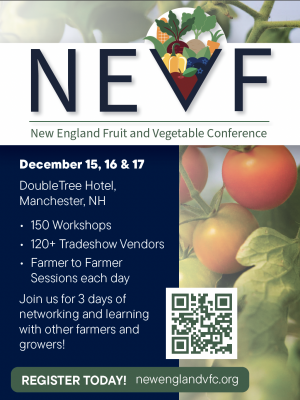
New England Vegetable & Fruit Conference Returns December 15-17, 2026
Join hundreds of fellow farmers for three days of learning, networking, and innovation featuring 31 educational sessions, daily farmer-to-farmer discussions, a research poster session, and more than 120 trade show exhibitors. Register by November 30 to take advantage of early bird rates.
Sweet Corn Pests - Trap Count Update
| Location | CEW (avg per night) | ECB - NY | ECB - IA | ECB - III |
| Berlin | 5 | 0 | 1 | 0 |
| Glastonbury | 6 | 1 | 0 | 1 |
Spray Interval for Corn Earworm:
 View our Sweet Corn Pest ID Guide.
See the New England Vegetable Management Guide for management strategies for all sweet corn insect pests.
Upcoming Events & Opportunities
Cover Crop Termination Event
September 23, 3:30-5:30 PM
UConn Research Farm, Storrs
Join UConn Extension and CT RC&D for an afternoon exploring mechanical termination equipment, including roller crimpers and mowers, touring research plots, and discussing practical approaches to cover crop management.
Apply for the Connecticut Agricultural Composting Program
Applications due September 30th
CT RC&D is accepting applications for this new composting program. The program helps farmers and agricultural producers gain knowledge and tools to develop a successful on-farm composting system.
2026 UConn Extension Nursery and Perennials Workshop
Tuesday, October 6th | 9am - 3pm
Summer Hill Nursery, Madison, CT
This hands-on event is for commercial growers of woody ornamentals and herbaceous perennials who are looking to expand their knowledge of production practices and network with others in the industry. The event takes place at a local Connecticut nursery and includes a disease diagnostic training, insect identification presentation, and respirator training.
Ready to Sell Farmer Training Cohort Applications Open
With millions of dollars from the state flowing into public school districts for purchasing, we need more local farms to enter the school market now more than ever. We want farmers to understand that:
- It’s not about high volume, but consistency
- It’s not about complex bids or contracts, but good communication
- It’s not about needing expensive certifications, but proven experience
This is why we run the “Ready To Sell” farmer training cohort. Farmers in Ready to Sell learn about school buyer expectations, forward contracts, food safety considerations, and more. They get specialized technical assistance to up their school sales game.
Tractor Maintenance Training
October 21, 3:00-6:00 PM
UConn Research Farm, Storrs
Got a tractor that needs some TLC? In this workshop, we will tour UConn's Plant Research Farm machinery, perform a standard maintenance on one of their tractors, learn best practices for attachments/implements, post-season machine care and more.
Farmland Seeking Skill Share
October 24, 10:00am to 1:00pm
Join Kip Kolesinskas, Solid Ground Professional Soil, Conservation, and Land Use Consultant, for a farm tour and demonstration on how to go about assessing farmland potential for purchase or lease using key areas of interest such as property history, soil health, infrastructure, and water features.
Intro to Grants for Farmers
October 30th, 8:30am - 12pm
This 3.5-hour, in-person training is designed to help farmers navigate the grant landscape with confidence. You'll learn about available grant programs, determine which opportunities may be the best fit for your operation, understand what types of projects are commonly funded, identify sources of free technical assistance, and gain practical tips for reading and responding to grant program announcements.
Organic Certification Cost Share Program (OCCSP)
The USDA FSA’s Organic Certification Cost Share Program (OCCSP) helps certified organic producers and handlers pay part of the cost of obtaining or renewing organic certification. Eligible operations can receive up to 75% of certification costs, capped at $750 per certification scope, for costs such as application and administrative fees, inspection and travel, certification-related fees, state organic program fees, and related postage. December 31, 2026 is the deadline to apply for the 2025 and 2026 program years. Applications go through your local USDA Service Center or a participating state agency. More information can be found on the USDA's website.
Save These Dates!

2026 New England Vegetable & Fruit Conference
December 15, 16, 17, 2026
Manchester, New Hampshire

2027 UConn Extension Vegetable and Small Fruit Growers Conference
Tuesday, January 12th, 2027
UConn Student Union, Storrs, CT
Stay in touch with us
- Share what you see: We're here to assist with identification, management strategies, and guidance on best practices. Send us a photo/message via iMessage at 959-929-1031.
- Facebook Group: UConn Extension moderates a private Facebook group specifically for commercial vegetable producers. It is a space to share photos of insects and diseases you find in your fields, ask questions, share ideas, and stay engaged with growers across the state.
Join the "UConn Extension - Vegetable IPM" Facebook Group - Schedule a consultation: Would you benefit from meeting with an Extension Specialist at your farm to provide insight on pest or disease identification, management strategies, and more? If so, please contact our Vegetable Extension Specialist, Shuresh Ghimire, to setup a farm visit. Contact him at shuresh.ghimire@uconn.edu or 860-870-6933.
Contact Information
Shuresh Ghimire, Vegetable Extension Specialist: shuresh.ghimire@uconn.edu
Nicole Davidow, Vegetable Extension Outreach Assistant: nicole.davidow@uconn.edu
Vegetable IPM Office Phone Number:
860-870-6933
Vegetable IPM Cell Phone Number:
959-929-1031 (feel free to text/iMessage photos)
Any reference to commercial products, trade or brand names is for information only, and no endorsement or approval is intended. Always read the label before using any pesticide. The label is the legal document for product use. Disregard any information if it is in conflict with the label. UConn Extension does not guarantee or warrant the standard of any product referenced or imply approval of the product to the exclusion of others which also may be available. The University of Connecticut, UConn Extension, College of Agriculture, Health and Natural Resources is an equal opportunity program provider.