Crop Talk | September 2026
In This Issue
-
- Short Strawberry Survey Request
- Soil pH as an IPM Tool for Disease Management
- Soil Health in Connecticut Orchards
- Finish the Season Strong: Winter Squash, Fall Weeds, and Cover Crops on Vegetable Farms
- Prepare to Sell to Schools for the 2026-2027 School Year
- Announcement: New England Vegetable & Fruit Conference Returns December 15-17 in Manchester, NH
- Upcoming Events
- Quick Links to IPM Resources
Short Strawberry Survey Request:
Fruit and Vegetable Growers

Back to Top
Soil pH as an IPM Tool for Disease Management
By: Avishesh Neupane, Assistant Extension Professor, Department of Plant Science and Landscape Architecture
Reviewed By: Shuresh Ghimire, Vegetable IPM Specialist, UConn Extension
Soil pH is not just a lime decision because it affects root-zone health, nutrient uptake, and the soil biology that can influence disease pressure.
Why pH belongs in an IPM toolkit
pH affects disease outcomes because it controls root-zone conditions. When pH is too low, phosphorus availability decreases, calcium and magnesium are often low, and aluminum becomes more soluble and can injure roots. When pH is too high, phosphorus and micronutrients like iron, manganese, and zinc become harder to take up. Even if a soil test indicates that nutrients are present, plants may not be able to access them at that pH (Barrow & Hartemink, 2023). pH also shifts microbial activity and can reduce the natural suppression of pathogens such as Fusarium under acidification (Li et al., 2023). The practical takeaway is simple: off-target pH increases nutrient stress, and stressed crops tend to have more disease problems and less consistent response to other IPM tools.
pH and disease in a few example cases
Some diseases respond to soil pH in predictable ways, so adjusting pH can be a practical part of IPM. Clubroot of brassicas is a clear example. Lower pH favors infection, and raising pH to the neutral range (often about 7.2) is a standard part of management, alongside rotation and sanitation (Struck et al., 2022; Tremblay et al., 2005). Common scab of potato can move the other way in many scab-prone fields. Scab risk often increases as pH rises toward neutral, so liming to improve nutrients can unintentionally increase scab risk. However, in very alkaline soils the relationship can differ (Waterer, 2002).
Small grains provide another useful example. Take-all in wheat is often worse at higher rhizosphere pH and can be reduced when rhizosphere pH is lowered, including in systems where ammonium-N (especially when nitrification is slowed) keeps the rhizosphere more acidic (Smiley & Cook, 1973; Kwak & Weller, 2013).
For pea root rot caused by Aphanomyces, soil calcium has been linked to suppressiveness, so Ca status (and the soil chemistry conditions that go with it, including pH) can be part of risk discussions (Heyman et al., 2007).
In strawberry, changing soil pH as part of an integrated soil approach has been shown to reduce Fusarium wilt severity and yield impact in that system (Fang et al., 2012).
The take-home is simple. Match pH to the crop, and do not ignore the disease history of that field.
So how does pH stress translate into more disease?
Off-target pH often shows up first as weak, yellow, uneven growth, and those areas commonly become the first disease hotspots. Two mechanisms drive this.
First, pH can limit root function and nutrient uptake, so plants run nutrient-stressed even when soil test levels look adequate. Crops also differ in the pH range where their roots can efficiently access nutrients, so a pH that works fine for one crop can cause hidden nutrient stress in another. That stress doesn’t cause disease by itself, but it lowers plant tolerance and slows recovery once infection starts.
Second, pH can shift the soil microbiome in ways that reduce natural pathogen suppression. Soil acidification has been shown to weaken microbiome suppression of Fusarium, allowing more disease under the same pathogen pressure (Li et al., 2023), and pH is a major driver of microbial community structure and function (Xia et al., 2024).
The good news is pH is measurable and fixable, but it takes planning.
Tips to treat pH like prevention
- Use crop-specific pH targets.
There isn’t one ideal pH for every crop. Many vegetables, flowers, and turf do well in moderately acidic to near-neutral soils, while blueberries and other acid-loving plants need a lower pH. UConn’s Plant pH Preferences webpage lists recommended pH ranges by group, including flowers/ornamental trees and shrubs, fruit, house and greenhouse plants, and vegetables and herbs. Start with the crop, then adjust pH based on field history. - Manage by zones when possible.
pH can vary widely within a field due to soil type, past manure, knolls vs. low areas, and liming history. The most practical approach is to sample by management zones, map pH, and then apply lime (or sulfur, when needed) where the test shows it is required. If variable-rate application is not an option, you can still do zone management by targeting problem areas such as wet spots, sandy knolls, field edges, or specific blocks that consistently test low or high. In strip-till or bedded systems, banding lime in the worked zone helps correct pH where most roots grow. In high tunnels and drip-irrigated blocks, manage pH at the bed or tunnel level. Adjust lime or sulfur rates by tunnel or bed based on testing, and if pH keeps drifting up over time, consider testing irrigation water alkalinity and managing it where feasible. - Plan changes early.
Lime and sulfur take time to work. Limestone can take months to fully react, and it moves slowly downward in soil, so it is better to plan ahead than to try to fix pH midseason. - Do not compensate with extra fertilizer during disease pressure.
If pH is off, nutrients may not be taken up well. Adding more fertilizer can increase salt stress and push soft growth that is harder to protect. Confirm the pH issue with a soil test, keep fertility steady, and time pH correction so the crop is in range before the next critical stage. - When symptoms show up, compare a good area and a problem area.
If you see yellowing or patchy stunting, sample both: soil test and tissue test from a good zone and a bad zone. That helps you tell the difference between low nutrients in the soil and nutrients that are present but not being taken up.
Bottom line
Keeping pH in the right range helps crops take up nutrients, build stronger roots, and handle disease pressure better. It does not replace scouting or other IPM steps, but it makes them work more reliably and reduces problems in the weakest parts of the field.
References
Barrow, N. J., & Hartemink, A. E. (2023). The effects of pH on nutrient availability depend on both soils and plants. Plant and Soil, 487, 21–37. https://doi.org/10.1007/s11104-023-05960-5
Fang, X., You, M., & Barbetti, M. J. (2012). Reduced severity and impact of Fusarium wilt on strawberry by manipulation of soil pH, soil organic amendments and crop rotation. European Journal of Plant Pathology, 134(4), 619–629. https://doi.org/10.1007/s10658-012-0042-1
Heyman, F., Persson, L., & Hökeberg, M. (2007). Calcium concentrations of soil affect suppressiveness against Aphanomyces root rot of pea. Soil Biology and Biochemistry, 39(9), 2222–2229. https://doi.org/10.1016/j.soilbio.2007.03.022
Kwak, Y.-S., & Weller, D. M. (2013). Take-all of wheat and natural disease suppression: A review. The Plant Pathology Journal, 29(2), 125–135. https://doi.org/10.5423/PPJ.SI.07.2012.0112
Li, X., Chen, D., Carrión, V. J., Revillini, D., Yin, S., Dong, Y., Zhang, T., Wang, X., & Delgado-Baquerizo, M. (2023). Acidification suppresses the natural capacity of soil microbiome to fight pathogenic Fusarium infections. Nature Communications, 14, Article 5090. https://doi.org/10.1038/s41467-023-40810-z
Pettinelli, D., & Ghimire, S. (2021). Soil pH and management suggestions (Extension fact sheet). University of Connecticut Extension / UConn Soil Nutrient Analysis Laboratory. (Soil Testing)
Smiley, R. W., & Cook, R. J. (1973). Relationship between take-all of wheat and rhizosphere pH in soils fertilized with ammonium vs. nitrate-nitrogen. Phytopathology, 63(7), 882–890. https://doi.org/10.1094/Phyto-63-882
Struck, C., Schmidt, F., & von Tiedemann, A. (2022). Control strategies of clubroot disease caused by Plasmodiophora brassicae. Pathogens, 11(4), 442. https://doi.org/10.3390/pathogens11040442 (PMC)
Tremblay, N., Bélec, C., Coulombe, J., & Godin, C. (2005). Evaluation of calcium cyanamide and liming for control of clubroot disease in cauliflower. Crop Protection, 24, 798–803. https://doi.org/10.1016/j.cropro.2004.12.013
Waterer, D. (2002). Impact of high soil pH on potato yields and grade losses to common scab. Canadian Journal of Plant Science, 82(3), 583–586. https://doi.org/10.4141/P01-046
Xia, Y., Feng, J., Zhang, H., Xiong, D., Kong, L., Seviour, R., & Kong, Y. (2024). Effects of soil pH on the growth, soil nutrient composition, and rhizosphere microbiome of Ageratina adenophora. PeerJ, 12, e17231. https://doi.org/10.7717/peerj.17231.
Back to Top
Soil Health in Connecticut Orchards
By: Evan Lentz, Assistant Extension Educator, Commercial Fruit Production
Lauren Kurtz, Research Associate, Department of Plant Science and Landscape Architecture
Introduction
Soil health is the continued capacity of soil to function as a living ecosystem. In perennial orchard systems, improving soil health supports tree growth, root development, water movement, and nutrient uptake. Although fruit orchards share some soil management principles with annual row crops, they often require different approaches because trees remain in place for many years. Robust soil health practices help orchards better withstand challenging environmental conditions.
Unlike annual systems, management decisions in orchards accumulate over time. Practices that improve soil health—such as maintaining organic matter, reducing compaction, and managing groundcover—enhance nutrient cycling, water availability, and root function.
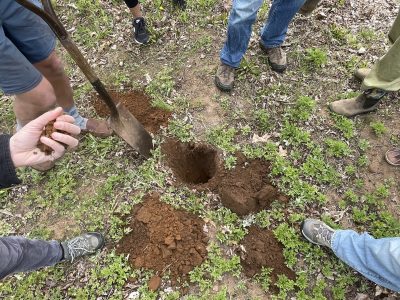
Why Soil Health Matters in Orchards
- Improves root growth and longevity
- Enhances water infiltration and drought resilience
- Increases nutrient availability and efficiency
- Supports microbial activity and soil structure
- Reduces erosion and compaction risk
Soil Health Concerns in Connecticut
In Connecticut fruit orchards, common soil health challenges include poor drainage, compaction, erosion, acidic soils, low organic matter, and nutrient imbalances.
Compaction and Drainage
When soil is compacted or poorly drained, roots grow less effectively and trees have more difficulty accessing water and nutrients. Compaction often results from foot traffic, including pick-your-own activities, and heavy equipment. It can reduce water infiltration, cause oversaturated areas on and below the soil surface, lead to low-oxygen conditions that limit root function, and restrict root growth overall. Root restriction is often observed when soil resistance exceeds approximately 300 psi, which is especially detrimental to plant growth within the top 15 inches of topsoil. Soil structure is particularly susceptible to compaction when wet; soils should only be worked when friable, that is, not too wet or dry, to preserve soil aggregate stability.
Organic Matter and Erosion
Low organic matter may result from limited residue inputs, excessive tillage, or erosion. Erosion is often most visible after heavy rain, especially on sloped ground or in areas without ground cover. Soil organic matter plays several essential roles in plant and soil health.
Soil organic matter is essential for:
- Water-holding capacity
- Soil aggregation
- Nutrient supply
| Preferred Soil pH Ranges for Fruit Crops | |
| Crop | pH |
| Apple | 6.0–6.8 |
| Pear | 6.0–7.0 |
| Peach/Nectarine | 6.0–6.8 |
| Plum | 6.0–7.0 |
| Cherry (sweet) | 6.2–7.2 |
| Cherry (tart) | 6.0–7.0 |
| Raspberry | 5.5–6.5 |
| Blackberry | 5.5–6.5 |
| Strawberry | 5.5–6.5 |
| Blueberry (highbush) | 4.5–5.2 |
| Blueberry (lowbush) | 4.2–5.0 |
| Cranberry | 4.0–5.0 |
| Currant/Gooseberry | 6.0–6.8 |
| American grapes (V. labrusca) | 5.5–6.5 |
| Hybrid grapes | 5.5–6.8 |
| European grapes (V. vinifera) | 6.0–7.0 |
Soil Acidity and Nutrient Balance
Many Connecticut soils are naturally acidic, and fertilizer inputs can lower pH over time. Keeping pH in the proper range supports nutrient uptake and helps prevent problems such as chlorosis, weak growth, and poor fruiting. Preferred pH ranges vary by crop; notably blueberries prefer more acidic soils than many other fruit crops grown in Connecticut. Always check the ideal pH range for any plant when managing soil acidity.
Soil Biology
When soils are heavily disturbed, compacted, or low in organic matter, microbial activity often declines, slowing nutrient cycling and weakening soil structure. Soil biology is also harmed by heavy chemical pesticide and fertilizer applications. Using chemical inputs judiciously as part of an integrated management strategy helps protect long-term soil function.
Soil Health Indicators
Soil health goes beyond nutrient management and reflects the interaction of physical, biological, and chemical processes. Soil health assessments can include both qualitative field observations and quantitative measurements.
Category |
Key Indicators |
| Physical | Aggregate stability, infiltration, compaction |
| Biological | Organic matter, respiration, earthworms |
| Chemical | pH, nutrient levels, CEC |
Monitoring Approach
- Annual or biennial: Soil nutrients, pH, organic matter
- Every 5-10 years: Comprehensive soil health testing (aggregate stability, soil carbon, respiration)
- Ongoing: Field observations (compaction, infiltration, rooting depth, saturation, ponding, etc.)
Practices to Improve Soil Health in Connecticut Orchards
Tree rows and alleyways should be managed separately because they serve different functions in the orchard.
- Maintain Groundcover in Alleyways
Keeping alleyways covered helps reduce erosion and runoff while increasing soil organic matter over time.
Recommended practices:
- Maintain vegetation at 3–5 inches
- Use turf, clover, or mixed perennial covers
- Overseed thin areas in late summer
- Manage Tree Rows for Balance
Adding organic matter to tree rows through manure, compost, wood chips, or cover crops improves soil structure and nutrient availability.
Recommended practices:
- Maintain a 2–4 ft weed-free strip in young orchards
- Use wood chip mulch (3–4 inches deep, no trunk contact).
Coarse material is recommended over fine materials to prevent excessive rodent activity.
- Narrow herbicide strips in mature plantings where feasible
- Build Soil Organic Matter
Returning mowed clippings and chipped pruned material to the orchard floor recycles nutrients and reduces waste.
Recommended practices:
- Compost: 2–5 tons per acre annually or biennially
- Retain mowing and pruning residues, if feasible
- Minimize Compaction
Limiting cultivation and unnecessary traffic helps protect soil structure, especially in tree rows where roots are shallow.
Recommended practices:
- Test for compaction using a penetrometer (> 300 PSI = compaction)
- Avoid working soils when wet
- Use designated traffic lanes
- Subsoil only under appropriate dry conditions
- Manage Nutrients and pH
Active nutrient management through soil testing and fertilizer applications, combined with pH buffering inputs, provides trees with necessary nutrients.
Recommended practices:
- Test soils regularly
- Base inputs on soil and foliar analysis
- Split nitrogen applications
- Maintain pH according to crop requirements
- Reduce Soil Disturbance
Using the least disruptive weed-control practices helps maintain soil structure.
Options include:
- Mowing
- Flaming
- Targeted herbicide use
- Mulching
- Manage Water Effectively
Water management influences both plant growth and soil function.
Recommended practices:
- Use drip irrigation where possible
- Avoid prolonged saturated conditions
- Improve drainage in poorly drained areas
Summary
Healthy soils are the foundation of a productive orchard. In many cases, soil health improvements may not translate directly into higher yield or fruit quality but will improve resilience and maintain productivity over time. Orchard soils are improved by protecting soil structure by reducing compaction and erosion, maintaining or adding organic matter, managing pH and nutrients, and prudent chemical applications.
Practices such as cover crops, mulch, reduced traffic, and integrated pest management help fruit growers keep soils productive and resilient over time.
Service Centers
Soil Nutrient Analysis Laboratory (SNAL) – University of Connecticut
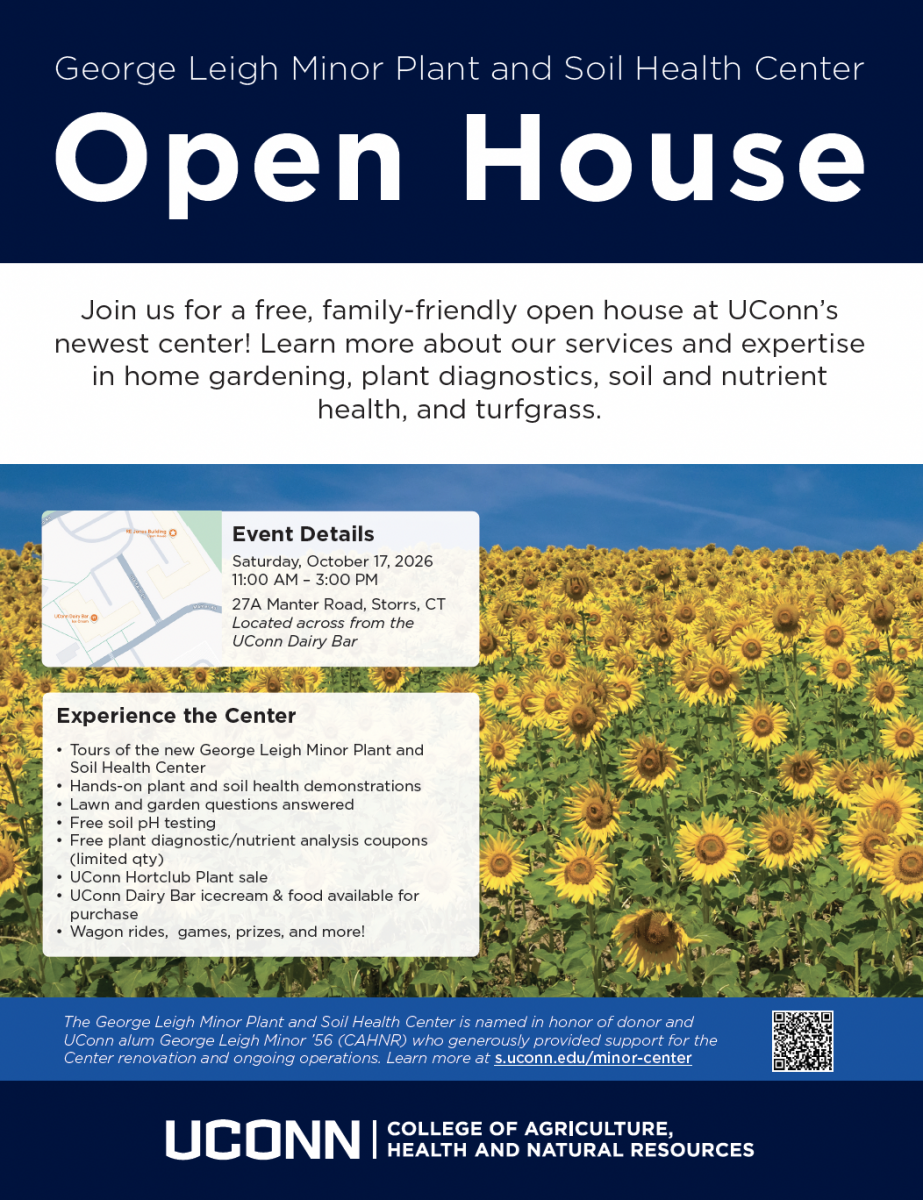
The laboratory at UConn is located in the George Leigh Minor Plant and Soil Health Center. It provides a range of support services including soil testing, tissue testing, compost testing and more. The laboratory can provide insight into the chemical and physical properties of your soils. The website has detailed sampling and submission instructions.
Comprehensive Assessment of Soil Health (CASH) – Cornell Soil Health Laboratory
The Cornell Soil Health Laboratory is equipped to provide insight into the chemical, physical and biological properties of your soils. Until the UConn SNAL is able, Cornell is the closest and best options for biological soil health assessments.
Additional Options:
The Soil Health Research and Extension Center (SHREC) – University of Vermont
Analytical Laboratory and Maine Soil Testing Service – University of Maine
References
Atucha, A., Merwin, I. A., and Brown, M. G. 2011. Long-term effects of four groundcover management systems in an apple orchard. HortScience, 46(8), 1176–1183. https://doi.org/10.21273/HORTSCI.46.8.1176.
DuPont, T., Granatstein, D., and Sallato, B. 2020. Soil health in orchards. Washington State University. Accessed May 7, 2026. https://treefruit.wsu.edu/orchard-management/soils-nutrition/soil-health-in-orchards/.
UMass Extension Fruit Program. Soil Health. Northeast small fruit management guide. Accessed May 7, 2026. https://www.umass.edu/agriculture-food-environment/fruit/ne-small-fruit-management-guide/general-information/soil-health-nutrient-management/soil-health.
Back to Top
Finish the Season Strong: Winter Squash, Fall Weeds, and Cover Crops on Vegetable Farms
By: Shuresh Ghimire, Associate Extension Educator, Extension Vegetable Specialist
Introduction
Late summer and early fall can feel like the home stretch on a vegetable farm, but decisions made during these weeks can have consequences well beyond the last harvest. August through October is an important period for protecting the quality of winter squash and pumpkins, preventing weeds from replenishing the soil seedbank, and getting cover crops established while there is still enough growing season left to produce useful biomass.
Maintain healthy winter squash and pumpkin foliage
By late summer, pumpkin and winter squash fields often look tired. Powdery mildew (and sometimes downy mildew too), squash bugs, drought stress, and normal leaf senescence can all reduce the canopy. It may be tempting to view the foliage as unimportant once fruit have reached marketable size, but healthy leaves still have work to do.
First, leaves continue supplying photosynthate while fruit mature. Winter squash may reach nearly full external size well before physiological maturity. During this later period, dry matter and starch accumulate in the fruit, and those reserves are important for texture and sweetness. Fruit harvested substantially before seed maturity have fewer starch reserves available for conversion to sugars during storage and generally have poorer eating quality. Physiological maturity for many winter squash types is at approximately 50–55 days after pollination or fruit set, although it varies by cultivar.
Second, the canopy protects fruit. Good foliage helps shield fruit from direct sun; when vines collapse from powdery or downy mildew, sunscald can become a significant problem. Severe powdery mildew can also reduce fruit quality, storage potential, and pumpkin handle quality.
This does not mean maintaining a perfect canopy indefinitely. The practical goal is to preserve enough functional leaf area to carry immature fruit through maturation. Continue scouting late-season fields and protect foliage from economically important diseases and insects when fruit still need time to mature and when treatment is justified. For pesticide decisions, use the current New England Vegetable Management Guide, follow resistance-management recommendations, observe preharvest intervals, and remember that the pesticide label is the law.
On the other hand, once marketable fruit are mature, keeping them exposed to increasing disease pressure, cool nights, and wet fall weather is not necessarily an advantage. In many situations, bringing mature fruit into a suitable storage environment is preferable to leaving them in a declining field.
Harvest for maturity, not just size or color
Color is useful, but it can be misleading. Many squash reach their characteristic external color before they are physiologically mature. Seed fill is a useful definition of squash maturity and that many cultivars are mature at approximately 50–55 days after fruit set.
Some practical indicators differ among squash species:
Acorn, delicata, sweet dumpling and other Cucurbita pepo types: For acorn squash, the ground spot changing to a dark orange color is a better maturity indicator than the rind simply becoming dark green. Pie pumpkins should generally reach full mature color. Mature C. pepo types can usually develop acceptable eating quality without an extended postharvest period.
Kabocha, buttercup and Hubbard types (C. maxima): Look for a dry, corky stem in addition to mature rind characteristics. These fruit accumulate substantial starch and commonly improve in eating quality during storage as starch is converted to sugars. They are also particularly susceptible to sunburn when foliage collapses.
Butternut and related C. moschata types: Do not assume that the first appearance of a tan rind means the fruit is ready. Standard butternut may turn tan around 45 days after pollination but should remain on the plant approximately another two weeks when conditions allow.
Research from New Hampshire demonstrates that winter squash carotenoid concentrations can continue changing substantially with harvest maturity and storage period. For example, carotenoid concentrations in both C. maxima and C. moschata cultivars increased during postharvest storage in multi-year experiments.
Watch the thermometer
Growers also need to balance additional field maturation against deteriorating fall weather. Winter squash and pumpkins are chilling-sensitive. Chilling injury accumulates with exposure below approximately 50°F, with greater injury as temperature decreases and exposure time increases. Fruit intended for long-term storage deserve particular protection.
A light frost may kill vines without immediately ruining every fruit, but a hard freeze can damage rind and flesh and sharply reduce storability. When mature fruit are in the field and a period of cold or prolonged wet weather is approaching, harvesting before the weather event is usually the better commercial decision.
Handle fruit like a perishable crop
Pumpkins and winter squash look rugged, but they are surprisingly easy to damage. Bruises, cuts, punctures and broken stems provide entry points for decay organisms and shorten storage life.
For pumpkins sold with a handle, cut rather than pull fruit from the vine and retain a sound stem. With some winter squash, especially butternut, removing the stem can reduce punctures to neighboring fruit during bin storage; if stems are removed, allow the scar to heal before long-term storage.
Do not put severely bruised, frost-damaged or badly wounded fruit into long-term storage with sound fruit. Cull aggressively and market questionable fruit first.
Curing: useful, but not identical for every type of squash
“Cure everything” is too simple a recommendation. Species, fruit condition and intended storage duration matter.
C. maxima and C. moschata squash need a short curing period, particularly when healing minor harvest wounds or preparing fruit for storage. Typical curing conditions are approximately 80–85°F for 5–10 days with high relative humidity and good ventilation. Curing promotes wound healing and rind hardening and can accelerate changes associated with eating quality.
However, avoid prolonged warm curing simply because fruit are squash. Acorn, delicata and other C. pepo types generally do not require curing when harvested mature and uninjured, and excessive warm holding can reduce storage life in some of these thinner-skinned types.
Field curing can work during a stretch of warm, dry weather, but that window becomes unreliable in Connecticut as fall progresses. A ventilated greenhouse, high tunnel or warm barn can be more dependable, provided temperature and humidity can be monitored.
Storage: cool, dry, stable and well ventilated
A useful target for commercial storage is approximately 55°F, with an acceptable range around 50–60°F and roughly 50–70% relative humidity, depending on squash type. Good air circulation is essential. Temperatures that are too low increase chilling injury; temperatures that are too high increase respiration and weight loss. High humidity and condensation encourage decay, while very low humidity increases shriveling and weight loss.
Avoid large temperature swings that cause condensation on fruit. Keep bins off wet floors, maintain airflow around them, and inspect storage regularly. Fruit that experienced chilling, wounds or questionable field conditions should move through the market first.
Storage potential differs considerably among types. Under good conditions, acorn may keep only about 5–8 weeks, pumpkins commonly 2–3 months, buttercup around 2–3 months, while sound butternut and Hubbard types may keep 4–6 months or longer. These are potential storage periods, not guarantees; harvest maturity, disease pressure, handling and storage conditions can shorten them substantially.
Fall weed management: do not let the season end with seed rain
Late-season weed management does not always feel urgent because the cash crop may already have been harvested. From a long-term weed-management standpoint, however, this can be one of the most important periods of the year.
Think of the soil weed seedbank as a bank account. Every weed that produces viable seed makes a deposit. Every seed that germinates and is killed before reproducing is a withdrawal. Reducing new weed seed rain is a central strategy for driving down weed pressure over time.
This is especially important with weeds such as hairy galinsoga, pigweeds, lambsquarters, foxtails and crabgrasses. A field that looks “finished” after vegetable harvest can still produce a large flush of seed before frost if weeds are left unmanaged.
The first objective: stop seed production
Immediately after the final harvest, scout the field before turning to the next job. Note which weeds are present, whether they are flowering or producing seed, and whether the infestation is scattered or field-wide.
Where annual weeds have not yet produced viable seed, options include shallow cultivation, mowing, hoeing, flaming on appropriate acreage, hand removal, or an appropriate labeled herbicide treatment.
For isolated patches of troublesome weeds that already carry mature seed, mowing may simply spread seed around the field. Hand-pulling or cutting and removing seed-bearing plants can be worth the labor, especially where the infestation is still localized.
Treat perennial weeds differently
Quackgrass, Canada thistle, bindweeds and other perennial weeds require a different strategy because underground rhizomes, roots or other vegetative structures are often more important than seed.
Map these patches. Avoid running tillage equipment through a patch and then into a clean part of the field because equipment can move rhizome or root fragments. Tllage can drag vegetative propagules from field margins and infested patches into otherwise clean areas.
After harvest, fall can provide an opportunity to target actively growing perennial weeds without a cash-crop canopy in the way. Depending on the weed and production system, management may involve repeated tillage, mowing followed by regrowth management, or a labeled systemic herbicide. On diversified vegetable farms, always check rotational restrictions before using a herbicide; a product that fits the current fallow field may restrict which vegetable can legally be planted there next spring. Use the current New England Vegetable Management Guide and the product label when making these decisions.
Do not forget winter annual weeds
Fall is also when winter annuals begin establishing. Chickweed, henbit, deadnettle, some mustards and other winter annual weeds can germinate in late summer or fall, overwinter as small plants, and become substantial weeds early the next spring.
This is another reason to avoid leaving harvested vegetable ground bare. A rapidly established cover crop occupies the space, competes for light and nutrients, and reduces opportunities for winter annual weeds to become established.
A useful postharvest sequence is therefore: harvest → scout and map weeds → prevent seed production → address perennial patches → establish the cover crop promptly.
Feel free to reach out to me (shuresh.ghimire@uconn.edu) or Amelia Magistrali (amelia.magistrali@uconn.edu) to discuss cover crop options.
Back to Top
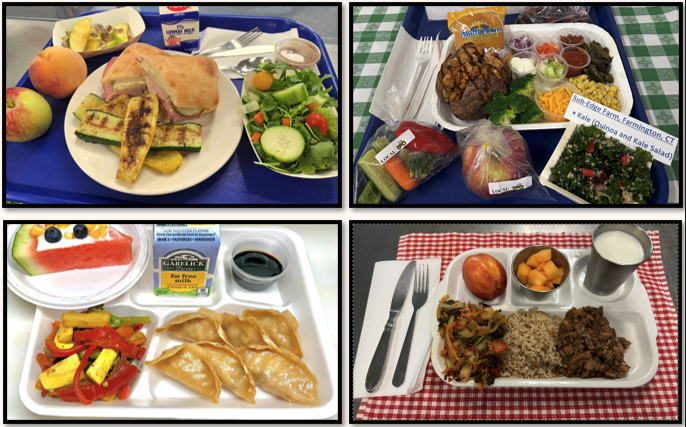
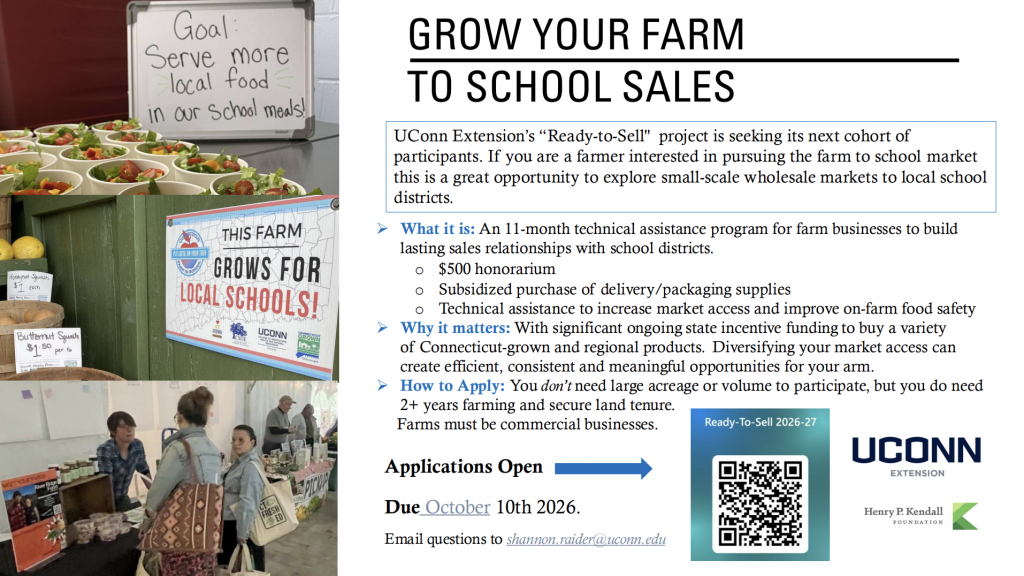
Prepare to Sell to Schools for the 2026-2027 School Year
By: Shannon Raider, Farm Liaison, Local Supply Chain Support
CT schools feed tens of thousands of students across the state…breakfast, lunch and sometimes dinner! As a result, the opportunities and benefits for farm to school sales by Connecticut farms are greater now more than ever. Millions of dollars from the state have flowed into public school districts specifically for buying CT Grown through a 50% reimbursement program called The Buy Local Program.
Here is what you need to know to gain access to this robust market:
- It’s not about high volume, but consistency
- It’s not about complex bids or contracts, but good communication
- It’s not about needing expensive certifications, but proven experience
UConn Extension has a variety of resources and training opportunities to help facilitate those connections. Whether you are looking to scale up, extend your season, or expand your market, we’re here to help you get started.
A Back to School Checklist for CT Farmers
- Get Listed: Join the CT Farm to School Directory and Marketplace-Listserv
This interactive resource identifies farms throughout the state who are ready and eager to sell to schools. School Food Service Directors frequent this resource to find farms to purchase from.
- Learn More: Apply to join “Ready To Sell” farmer training cohort
Participants in Ready to Sell learn about school buyer expectations, forward contracts, food safety considerations, and more. Get specialized technical assistance to up your school sales game. Learn more and apply here!
- Coming Soon: CT Grown for CT Kids Grant
CTG4CTK is a statewide grant program to help expand Farm-to-School programming. Farmers can apply for a $5,000 microgrant to be put towards advancing farm to school market access such as on farm food safety, delivery, season extension, and more.
- Save the Date: October 5-9 is 2026 CT Grown for CT Kids Week
October is National Farm to School Month, so naturally, the first full week in October is CT Grown for CT Kids Week when schools celebrate local agriculture, local food education, and strengthen their commitment to healthy nutritious meals with locally grown ingredients. Be part of it!
Back to Top
Announcement: New England Vegetable & Fruit Conference Returns December 15-17 in Manchester, NH
Farmers, agricultural service providers, and industry professionals from across the Northeast are invited to attend the New England Vegetable & Fruit Conference and Trade Show, taking place December 15-17 at the DoubleTree by Hilton Manchester Downtown in Manchester, New Hampshire.
The conference will feature 31 educational sessions over three days, providing growers with the latest research, practical production strategies, and business management tools for vegetable, berry, and tree fruit operations. Additional sessions will focus on emerging topics including farm technology, organic production, protected culture, and cut flower growing.
A highlight of the conference is the popular Farmer-to-Farmer series, which brings growers and speakers together for informal, in-depth discussions on timely issues facing farms today. These interactive sessions encourage the exchange of real-world experiences, practical solutions, and innovative ideas among peers.
In addition to the educational program, attendees can explore an extensive Trade Show featuring more than 120 exhibitors, view student and faculty research during the poster session, and connect with fellow growers, researchers, advisors, and industry representatives through networking events and social mixers.
The conference steering committee has assembled an outstanding lineup of speakers from across the Northeast and around the country. Presentations will showcase the latest innovations, research findings, and practical approaches to fruit and vegetable production, marketing, and farm management.
Whether attendees are looking to improve crop production, explore new technologies, strengthen their farm business, or connect with fellow growers, the New England Vegetable & Fruit Conference offers valuable information and networking opportunities to help farms succeed.
Registration Information
Pre-registration fee: $130 per person, $100 additional attendee if registering at the same time as a group; $60 for students (high school or college). Students must show a valid student ID when picking up their registration packet.
Deadline: Pre-registration must be completed by November 30, 2026. After this date, the fee increases to $165 ($70 for students, $135 for each additional). Late (after 12/11) or walk-in registration is $180.
Accommodations: Overnight stays at the Doubletree are available at $149 per night. Find a direct booking link via the event website, newenglandvfc.org. Additional local accommodation options at a variety of price points can be found here.
Assistance: For physical, language, or financial assistance, please contact Olivia Saunders at 603-447-3834 or Olivia.Saunders@unh.edu at least three weeks prior to the event, and every effort will be made to accommodate your needs. A block of rooms is reserved for attendees requiring on-site accommodation for mobility reasons.
For more details, including online and downloadable registration materials, visit New England Vegetable and Fruit Conference website.
Sponsors
The event is Sponsored by the New England Vegetable & Berry Growers’ Association and the Massachusetts Fruit Growers’ Association in conjunction with the Universities of Connecticut, Maine, Massachusetts, New Hampshire, Rhode Island, and Vermont, as well as Cornell University, Maine Organic Farmers and Gardeners Association and the Connecticut Agricultural Experiment Station.
Contact Information
Registration: Shuresh Ghimire, UConn; (860) 870-6933; shuresh.ghimire@uconn.edu
General questions: Heather Bryant (603) 787-6944; heather.bryant@unh.edu
Upcoming Events and Opportunities
Back to Top
Cover Crop Termination Strategies
Please register to attend. Contact Amelia Magistrali at amelia.magistrali@uconn.edu or 860-255-8667 with any questions.
Join us for the 2026 UConn Extension Nursery and Perennials Workshop!
This hands-on event is for commercial growers of woody ornamentals and herbaceous perennials who are looking to expand their knowledge of production practices and network with others in the industry. The event takes place at a local Connecticut nursery and includes a disease diagnostic training, insect identification presentation, and respirator training.
Where: Summer Hill Nursery, 888 Summer Hill Rd, Madison, CT 06443
When: Tuesday, October 6th
Schedule:
| 8:30 | Check-in |
| 9:00 | Tour of production nursery with staff |
| 9:30 | Disease diagnostics training (hands-on and presentation), Dr. Charles Krasnow, UConn |
| 11:00 | Insect identification in the nursery, Dr. Richard Cowles, CAES |
| 12:30 | Lunch provided, please contact us if you have dietary restrictions |
| 1:30 | Respirator fit testing for pesticide applications, Dr. Srikanth Kodati, UConn |
| 3:00 | Adjourn |
Registration: $50 per person. Pesticide CEUs will be available.
- Register online or pay by check, addressed to UConn Extension and mailed to UConn Extension, Attn: Charles Krasnow, 139 Wolf Den Road, Brooklyn, CT 06234
Questions? Contact:
- Charlie: charles.krasnow@uconn.edu 860-774-9600
- Srikanth: srikanth.kodati@uconn.edu 860-875-3331
About Summer Hill Nursery
Since 1957 Summer Hill Nursery, a mid-sized wholesale nursery, has been growing quality nursery stock. They were one of the first New England nurseries to grow landscape plants in containers. Primary customers are independent garden centers and landscapers–and they also contract custom propagation for other wholesale growers and produce plants for mail order nurseries and arboreta. Summer Hill offers over 1000 varieties of flowering trees, shrubs, groundcovers, broadleaf evergreens, conifers, grasses, and hardy bamboo. A large selection of native plants is also a specialty.
Summer Hill Nursery started in the fall of 1957 when Mike Johnson built a greenhouse attached to an old chicken coop on family property. Although the nursery started as a field grown operation, Mike was one of the first nurserymen in New England to start growing landscape plants in containers in 1958. It wasn’t long before the container business was generating more revenue, and fewer headaches, than the field operation so by 1970 all plants sold were container grown.
In the early years, dwarf conifers and large quantities of broadleaf evergreens, especially rhododendrons and azaleas, were the principal production. As the years have passed, the demand has changed; and although Summer Hill still grows these plants, they have changed their emphasis to flowering shrubs and trees, Japanese maples, and many rare and unusual varieties of plant material, including native plants.
Tractor Maintenance Training
Wednesday October 21st
3:00pm - 6:30pm
UConn Research Farm, 59 Agronomy Road, Storrs, CT
Have a tractor or implement in need of some TLC and don't know where to start? Need tips and tricks on how to best service your well-loved machine? In this workshop, we will tour UConn's Plant Research Farm machinery, perform a standard maintenance on one of their tractors, learn best practices for attachments/implements, post-season machine care and more.
Farmland Seeking Skill Share
Saturday, October 24th
10am to 1pm
Artza Mendi Farm, Baltic
Join Kip Kolesinskas, Solid Ground Professional Soil, Conservation, and Land Use Consultant, for a farm tour and demonstration on how to go about assessing farmland potential for purchase or lease using key areas of interest such as property history, soil health, infrastructure, and water features.
Save the Date!
UConn Extension Vegetable and Small Fruit Growers Conference
Tuesday, January 12th, 2027
UConn Student Union, Storrs
Quick Links
This work is supported by the Crop Protection and Pest Management Program [grant nos. 2021-70006-35582 and 2024-70006-43570] from the United States Department of Agriculture’s National Institute of Food and Agriculture. Any opinions, findings, conclusions, or recommendations expressed in this publication are those of the author(s) and should not be construed to represent any official USDA or U.S. Government determination or policy.
The University of Connecticut complies with all applicable federal and state laws regarding non-discrimination, equal opportunity and affirmative action, including the provision of reasonable accommodations for persons with disabilities. Extension program participants with disabilities may request reasonable accommodations to address limitations resulting from a disability. For more information, please contact the UConn Extension Civil Rights Liaison at extensioncivilrights@uconn.edu.
The information in this newsletter is for educational purposes. The recommendations contained are based on the best available knowledge at the time of publication. Any reference to commercial products, trade or brand names is for information only, and no endorsement or approval is intended. The Cooperative Extension System does not guarantee or warrant the standard of any product referenced or imply approval of the product to the exclusion of others which also may be available. All agrichemicals/pesticides listed are registered for suggested uses in accordance with federal and Connecticut state laws and regulations as of the date of printing. If the information does not agree with current labeling, follow the label instructions. The label is the law. Warning! Agrichemicals/pesticides are dangerous. Read and follow all instructions and safety precautions on labels. Carefully handle and store agrichemicals/pesticides in originally labeled containers, out of reach of children, pets and livestock. Dispose of empty containers immediately in a safe manner and place. Contact the Connecticut Department of Environmental Protection for current regulations. The user of this information assumes all risks for personal injury or property damage.