Scouting & Observations
- Poor Pollination in Zucchini and Other Cucurbits
- Japanese Beetles
- Mid-Season Plant Tissue Testing
- Post-Harvest Weeds Still Matter
- Sweet Corn Pest Tracking
- Continue to be on the lookout for potato leafhoppers (besides beans, potatoes, and peppers, they were seen in cucumber field causing hopperburn); Asiatic garden beetles; small insects such as aphids and flea beetles on brassica crops under row covers; and cucurbit powdery mildew.
Upcoming Events & Opportunities
- 8/5 - Plant Science Day with CAES
- 8/6 - Twilight Urban Farming Cut Flower Series #3
- Organic Certification Cost Share Program (OCCSP)
Poor Pollination in Zucchini and Other Cucurbits
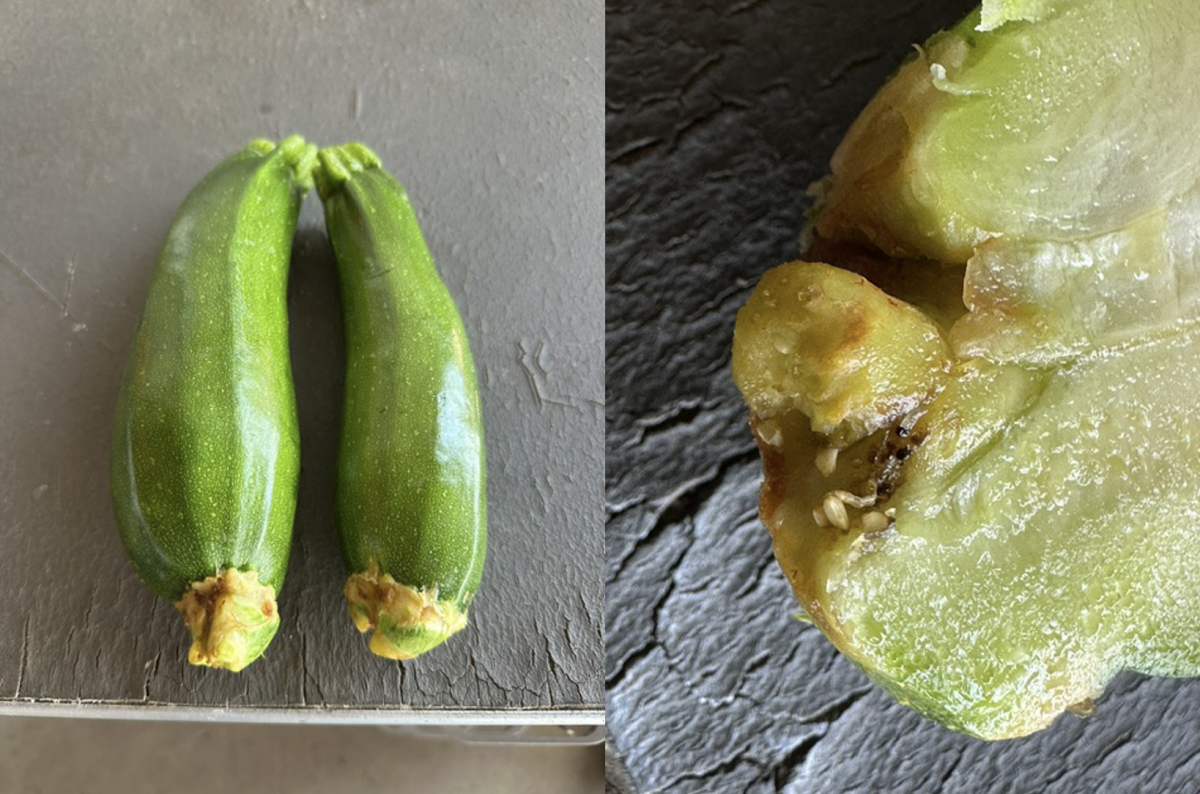
When pollination is poor—meaning too little pollen is transferred to female flower—the fruit may begin to grow but then stop, often shriveling, or soft breakdown at the blossom end. Cool, rainy, cloudy, windy, low-light, or smoky conditions can reduce bee activity, so fruit set often appears worse during those periods. Practical steps include removing aborted fruit, keeping soil moisture steady, and avoiding insecticides during bloom.
Poor pollination can cause fruit to develop in a range of misshapen forms. This problem is often temporary rather than season-long. Once weather improves and pollinator activity increases, plants usually resume normal fruit set within a few weeks as more female flowers appear.
Japanese Beetles
Japanese beetles are active on basil and many other crops, including zinnias, where they mainly feed on leaves and can quickly make plants look ragged. They often show up in groups and can cause the most damage on sunny, warm days. They emerge from the soil in turf, pastures, or fallow areas, then move into nearby crops starting in late June and often peak in July. On basil, look for chewing on tender leaves and flower spikes. Small plantings can often be managed by hand-picking beetles in the early morning, when they are slower, or by using row cover before flowering. The basil variety Nufar is highly attractive to Japanese beetles and may be used for a trap crop in some production systems. Pyrethrin (Pyganic), azadirachtin (Azatin) are among the labeled products for organic control of Japanese beetles.
Mid-Season Tissue Testing: Correct Tomato Nutrient Problems Before the Rest of the Crop is Lost
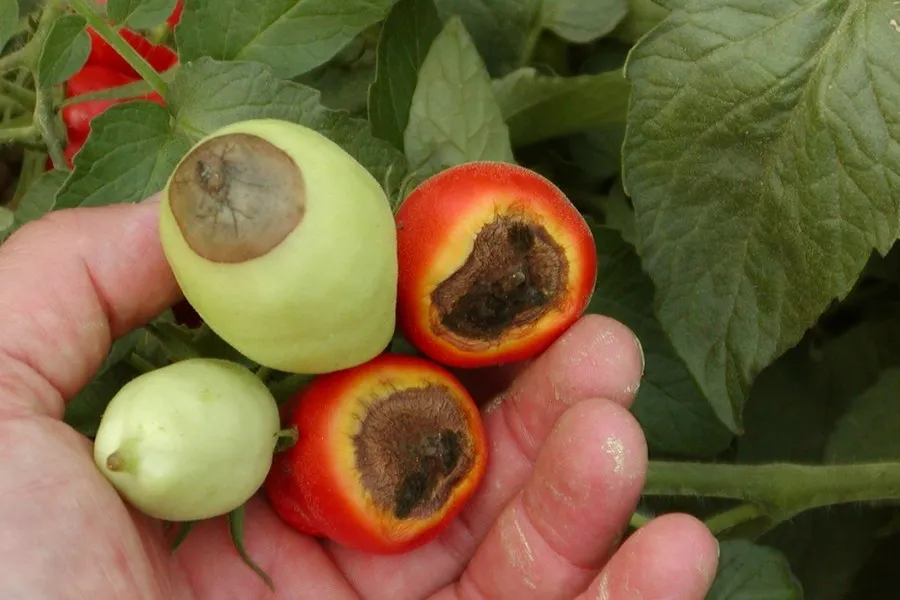
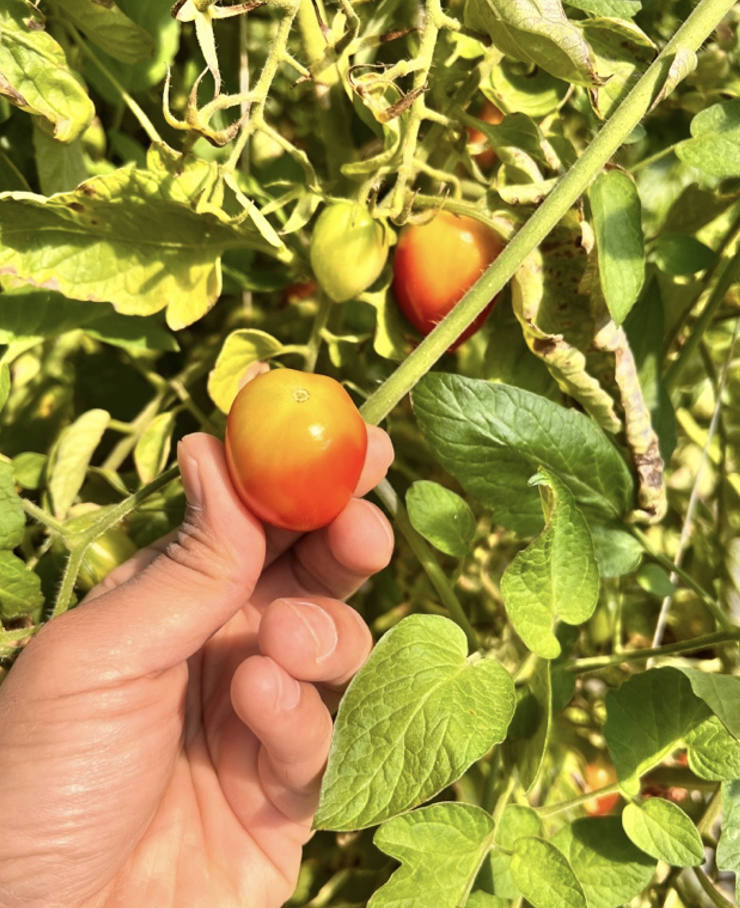
Tissue testing is a practical way to confirm whether the crop is actually getting the nutrients it needs. I sometimes see potassium-related ripening problems such as yellow shoulder/blotchy ripening, and sometimes a more general low-nutrient condition in high tunnel tomatoes; tissue tests help separate guesswork from the crop’s actual nutrient status. Soil tests show what is in the root zone, but tissue analysis shows what the plant has taken up, which makes it especially useful for mid-season correction.
Collect the most recently matured leaf from healthy plants, typically the 3rd–5th leaf below the growing point. Take about 8–10 leaves, avoid damaged or diseased tissue, and keep samples from different varieties or problem areas separate. UConn's George Leigh Minor Plant and Soil Health Center has instructions for sampling and submitting the sample. If a deficiency is already affecting existing fruit, it may be too late to correct that fruit, but timely adjustments can still support new fruit that is developing.
This is useful not only for tomatoes, but also for other vegetable crops where growers need to adjust fertility during the season rather than wait until symptoms become severe.
Post-Harvest Weeds Still Matter: Stop Seed Rain to Shrink Next Year’s Weed Bank
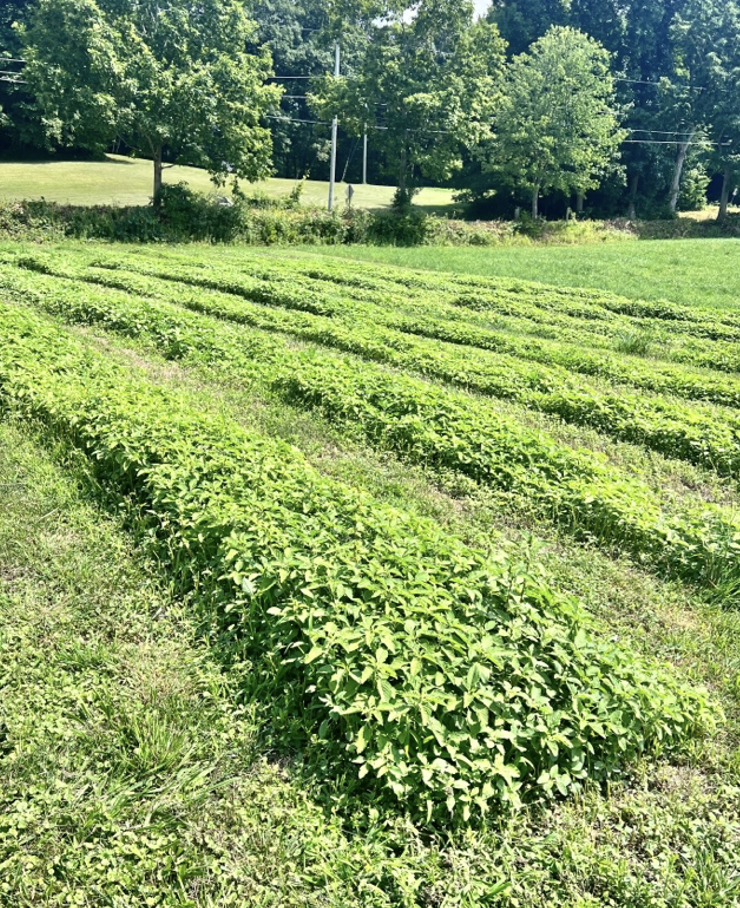
It may feel low priority to manage weeds in harvested vegetable fields, but that is often when the most important weed decision is made. If weeds are allowed to grow and set seed, they replenish the soil seed bank, and that can create many seasons of future problems from just one missed flush. Weed seeds do not all disappear quickly: some species lose half their viability in less than a year, while others persist for many years or even decades depending on burial, dormancy, and soil conditions. For example, common ragweed can lose 50% of seed viability in less than a year but may still leave viable seed for up to 10 years for 99% depletion, while common lambsquarters can take about 12 years for 50% reduction and about 78 years for 99% reduction and one plant produces 72,500 seeds on average. Pigweed seed is also persistent: about 3 years for 50% reduction and about 20 years for 99% depletion.
Therefore mow, pull, cultivate, or spot-treat weeds before they make seed in harvested fields, field edges, ditch banks, and other non-crop areas. Preventing seed rain is one of the fastest ways to reduce future weed pressure, and seed bank abundance can drop sharply when new seed inputs are stopped. In contrast, even one escaped plant can rapidly rebuild the seed bank. Weed seed prevention is especially important in vegetable systems, where intensive tillage and frequent disturbances can keep bringing new weed cohorts to the surface.
Sweet Corn Pests - Trap Count Update
| Location | CEW (avg per night) | ECB - NY | ECB - IA | ECB - III |
| Shelton | 5 | 1 | 1 | 2 |
| Berlin | 2.25 | 0 | 1 | 0 |
| Glastonbury | 0 | 0 | 0 | 0 |
Spray Interval for Corn Earworm:
 View our Sweet Corn Pest ID Guide.
See the New England Vegetable Management Guide for management strategies for all sweet corn insect pests.
Continue to be on the lookout
The following pests that were covered in the previous pest alerts and are still relevant in current conditions:
- Potato leafhoppers (besides beans, potatoes, and peppers, they were seen in cucumber field causing hopperburn)
- Asiatic garden beetles
- Check for small insect such as aphids and flea beetles on brassica crops under row covers
- Cucurbit powdery mildew
Upcoming Events & Opportunities
116th CAES Plant Science Day
August 5th, 10AM - 4PM
Lockwood Farm, 890 Evergreen Ave, Hamden
This annual hands-on event focuses on agriculture, public health, food safety, and the environment. There will be barn displays, field plots and exhibits to tour, technical demonstrations, plant disease diagnosis, plant identification, insect identification, activities for the kids, and CT pesticide credits offered.
Twilight Urban Farming Cut Flower Series
#3 - Intensive Production
August 6th, 6:30PM - 8PM
Backyard Blooms, Trumbull
Join UConn Extension's Urban Agriculture Team for a series of unique hands on learning experiences while touring urban flower farms.
This series is free to attend. All are welcome! Please contact Angela Lopez-Tejada if you have any questions.
Organic Certification Cost Share Program (OCCSP)
Save These Dates!

2026 New England Vegetable & Fruit Conference
December 15, 16, 17, 2026
Manchester, New Hampshire

2027 UConn Extension Vegetable and Small Fruit Growers Conference
Tuesday, January 12th, 2027
UConn Student Union, Storrs, CT
Stay in touch with us
- Share what you see: We're here to assist with identification, management strategies, and guidance on best practices. Send us a photo/message via iMessage at 959-929-1031.
- Facebook Group: UConn Extension moderates a private Facebook group specifically for commercial vegetable producers. It is a space to share photos of insects and diseases you find in your fields, ask questions, share ideas, and stay engaged with growers across the state.
Join the "UConn Extension - Vegetable IPM" Facebook Group - Schedule a consultation: Would you benefit from meeting with an Extension Specialist at your farm to provide insight on pest or disease identification, management strategies, and more? If so, please contact our Vegetable Extension Specialist, Shuresh Ghimire, to setup a farm visit. Contact him at shuresh.ghimire@uconn.edu or 860-870-6933.
Contact Information
Shuresh Ghimire, Vegetable Extension Specialist: shuresh.ghimire@uconn.edu
Nicole Davidow, Vegetable Extension Outreach Assistant: nicole.davidow@uconn.edu
Vegetable IPM Office Phone Number:
860-870-6933
Vegetable IPM Cell Phone Number:
959-929-1031 (feel free to text/iMessage photos)
Any reference to commercial products, trade or brand names is for information only, and no endorsement or approval is intended. Always read the label before using any pesticide. The label is the legal document for product use. Disregard any information if it is in conflict with the label. UConn Extension does not guarantee or warrant the standard of any product referenced or imply approval of the product to the exclusion of others which also may be available. The University of Connecticut, UConn Extension, College of Agriculture, Health and Natural Resources is an equal opportunity program provider.