Cutworms: Spotted, Yellow Striped, or Variegated
Author: Matthew DeBacco
Reviewed by: Shuresh Ghimire, Ph.D.
Associate Extension Educator
Extension Vegetable Specialist
Date of Publication: June 29, 2026
Introduction
The cutworm itself is the larval stage of a variety of night flying moth species. Most growers will notice this pest early in the season when it attacks young plants by cutting the stem at the soil line. This is often noticed in the morning since cutworms are nighttime feeders and can cause extensive damage.
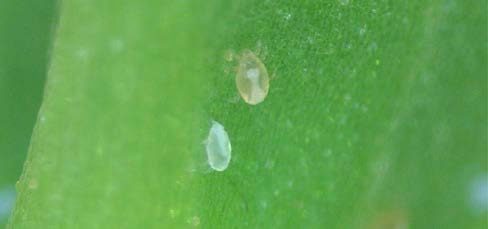
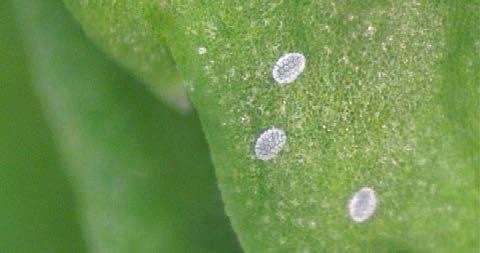
Symptoms
Early feeding if caught early will typically show as the plant wilting. However, this typically progresses quickly to the stem being clean cut and the seedling being found laying on the ground.
The variegated cutworm is known to climb the plants and can feed on the upper portions of the plant causing surface damage that is irregular in shape.
Most of this damage occurs in the early portion of the season when the cutworms are emerging from the overwintering.
Host Crops:
Considered a generalist feeder as it feeds on a wide range of plant species including… Tomatoes, peppers, eggplants, beans, peas, asparagus, cabbage, cauliflower, broccoli, lettuce, celery, carrots, onions, potatoes, sweet corn, cucurbits (cucumbers, melons, squash), and spinach.
Identification of Insects
The larvae are smooth, hairless caterpillars, typically 1.5 to 2 inches long when fully grown. The color will vary from gray, brown, black or green and may be solid, spotted, or striped.
Looking for a hole in the soil near damaged plants is a good indication to dig in this area to see if the larvae can be found near the root zone. When disturbed, the larvae will typically form a tight “C” shape as a form of defense.
Different species of cutworm can be identified by their coloration. As the name implies, the black cutworm is a gray to black coloration with a greasy sheen. The variegated cutworms are brown to gray color with white to yellow spots on the back with a dark “W” mark on the either abdominal section of the last instar stage.
Management
Cultural
Tilling or flipping the soil a minimum of 2-weeks before planting can help to disrupt the larvae and pupae that are overwintering.
Removing weeds 1 to 2 weeks before planting will help to discourage egg-laying moths and reduce the nearby food supply for the larvae.
Mechanical Approaches
Physical barriers appropriately named “cutworm collars” which are 3 to 4” tall collars placed around seedlings that go about 2” deep into the soil to prevent the larva from reaching the stem of the plant.
Chemical Control
Placing Diatomaceous Earth around the plant base will physically cut the larvae as they crawl through it.
Milky Spore (Bacillus popilliae): Apply to soil to control larvae over time, though it may take longer to be effective.
Consult New England Vegetable Management Guide for specific crop insect management section.
References
Clemson University, Home & Garden Information Center. (2020). Brown marmorated stink bug in structures. Retrieved July 2, 2025, from https://hgic.clemson.edu/factsheet/brown-marmorated-stink-bug-in-structures/
Penn State Extension. (2023). Brown marmorated stink bug. Retrieved July 2, 2025, from https://extension.psu.edu/brown-marmorated-stink-bug
University of California, Statewide IPM Program. (2020). Brown marmorated stink bug management guidelines. Retrieved July 2, 2025, from https://ipm.ucanr.edu/PMG/PESTNOTES/pn74169.html?src=302-www&fr=4388
University of Florida, Institute of Food and Agricultural Sciences. (n.d.). Brown marmorated stink bug. Retrieved July 2, 2025, from https://entnemdept.ufl.edu/creatures/veg/bean/brown_marmorated_stink_bug.htm
University of Maryland Extension. (2023). Brown marmorated stink bug. Retrieved July 2, 2025, from https://extension.umd.edu/resource/brown-marmorated-stink-bug/
Washington State University, Hortsense. (2023). Common insects and mites: Brown marmorated stink bug. Retrieved July 2, 2025, from https://hortsense.cahnrs.wsu.edu/fact-sheet/common-insects-and-mites-brown-marmorated-stink-bug/
Consult and follow pesticide labels for registered uses. To avoid potential phytotoxicity problems, spot test before widespread use. No discrimination is intended for any products not listed.
The information in this document is for educational purposes only. The recommendations contained are based on the best available knowledge at the time of publication. Any reference to commercial products, trade or brand names is for information only, and no endorsement or approval is intended. UConn Extension does not guarantee or warrant the standard of any product referenced or imply approval of the product to the exclusion of others which also may be available. The University of Connecticut, UConn Extension, College of Agriculture, Health and Natural Resources is an equal opportunity program provider and employer.