Periodic Ozone Level Spikes Can Lead to Crop Injuries
By: Shuresh Ghimire, Vegetable IPM Specialist, UConn Extension
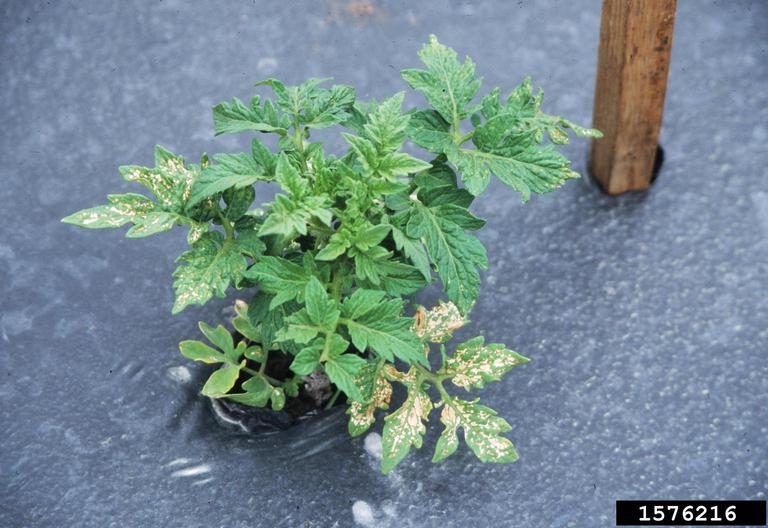
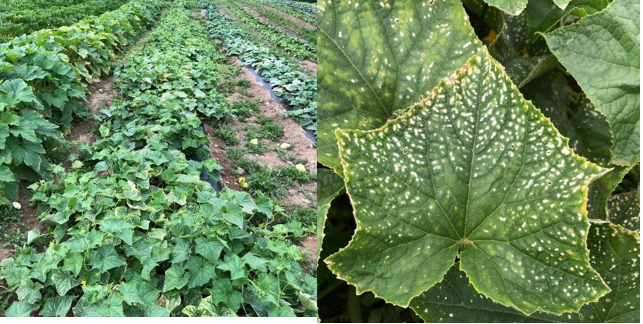
Ozone is formed when the combustion of fossil fuels react with oxygen in the presence of sunlight. It is the most common air pollutant in the Eastern United States, and moves from areas of high concentration (cities, heavy traffic areas) to nearby fields simply by wind. Common symptoms of ozone injury on crops are very small, irregularly shaped spots that are dark brown to black or light tan to white on the upper leaf surface. Injury is usually more pronounced at the leaf tip and along the margins. It is most likely to occur when the weather is hot, humid, and air masses are stagnant.
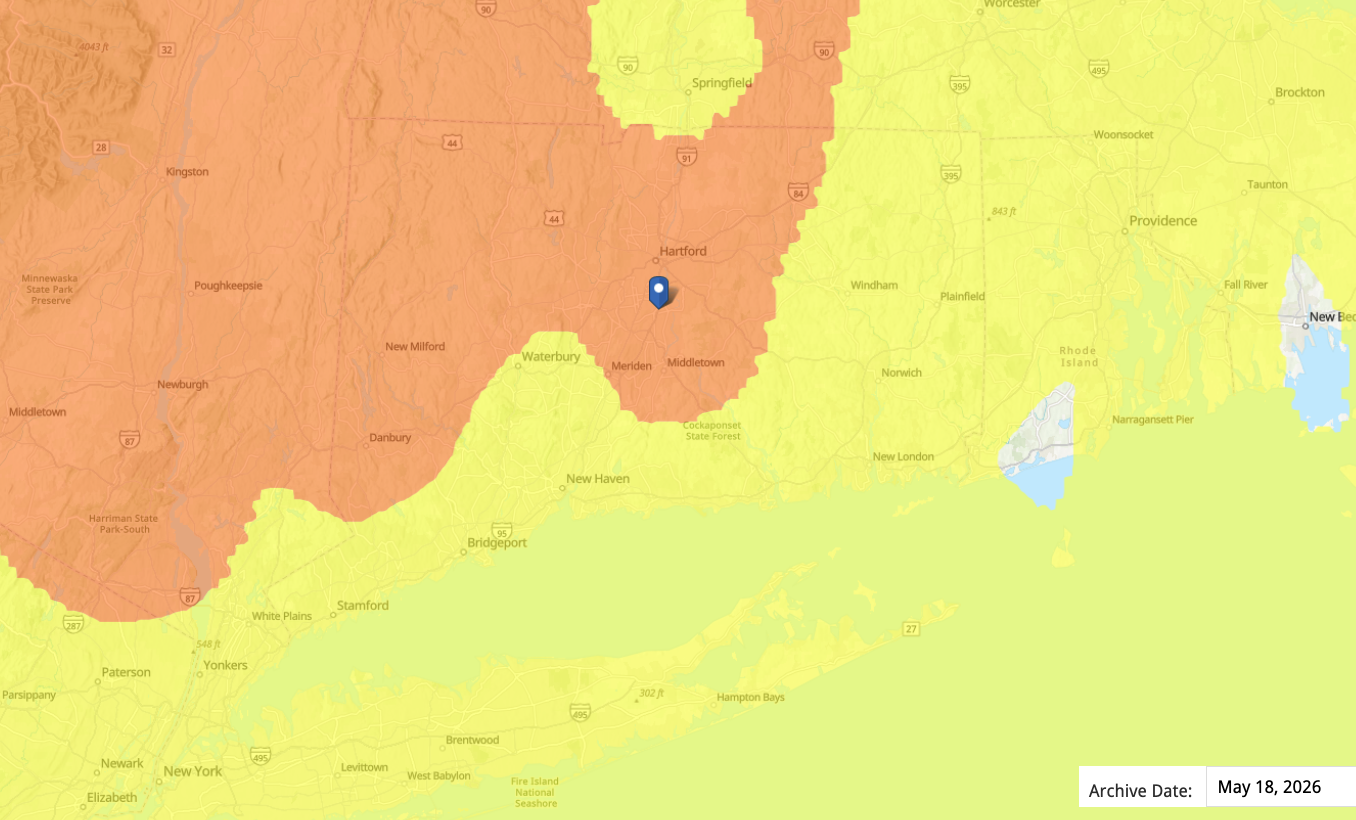
As of May 2026, there have been a few recent ozone level surges reaching toxic levels for crops in Connecticut, with the severity changing slightly depending on the precise location in the state. Ozone injury in susceptible vegetable varieties develops when ozone levels are over 80 ppb for four or five consecutive hours, or 70 ppb for a day or two when vegetable foliage is at a susceptible stage of growth. Typically, the most susceptible vegetable crops include cucumber, potatoes, watermelon, cantaloupe, snap beans, pumpkins, and squash.
The best recommendation for managing susceptible crops in when ozone levels are high is to avoid additional stresses on plants, to whatever extent possible. Avoid applying unwarranted pesticides or nutrients during this period. You can also take note of which varieties show fewer symptoms and plan to select varieties that are less susceptible in the future.
For more information on the relationship between the Air Quality Index (AQI) and Ozone levels, visit the Air Quality Guide for Ozone and Particle Pollution. For example, ozone concentrations would be 71-85 ppb when AQI is 101-150. To monitor local trends, vist airnow.gov.

The University of Connecticut complies with all applicable federal and state laws regarding non-discrimination, equal opportunity and affirmative action, including the provision of reasonable accommodations for persons with disabilities. Extension program participants with disabilities may request reasonable accommodations to address limitations resulting from a disability. For more information, please contact the UConn Extension Civil Rights Liaison at extensioncivilrights@uconn.edu.
The information in this newsletter is for educational purposes. The recommendations contained are based on the best available knowledge at the time of publication. Any reference to commercial products, trade or brand names is for information only, and no endorsement or approval is intended. The Cooperative Extension System does not guarantee or warrant the standard of any product referenced or imply approval of the product to the exclusion of others which also may be available. All agrichemicals/pesticides listed are registered for suggested uses in accordance with federal and Connecticut state laws and regulations as of the date of printing. If the information does not agree with current labeling, follow the label instructions. The label is the law. Warning! Agrichemicals/pesticides are dangerous. Read and follow all instructions and safety precautions on labels. Carefully handle and store agrichemicals/pesticides in originally labeled containers, out of reach of children, pets and livestock. Dispose of empty containers immediately in a safe manner and place. Contact the Connecticut Department of Environmental Protection for current regulations. The user of this information assumes all risks for personal injury or property damage.