Scouting & Observations
- Bacterial Spot, Speck, and Canker
- Mites on Cucurbits
- Blossom End Rot
- Phytophthora
- Ozone Injury
- Food Safety Update: Cyclospora and Cyclosporiasis
- Sweet Corn Pest Tracking
- Continue to be on the lookout for Aphids, Colorado Potato Beetles,
Corn Earworm, Flea Beetles, Potato Leafhoppers, European Corn Borer,
Squash Vine Borer, Scarab Beetles, Cabbage Root Maggot, Thrips and Mites
Upcoming Events & Opportunities
- 7/30 - Soil Matters Conference: Soil & Water Conservation Society, Southern New England Chapter
- 8/5 - Plant Science Day with CAES
- 8/6 - Twilight Urban Farming Cut Flower Series #3
Bacterial Spots, Speck and Canker
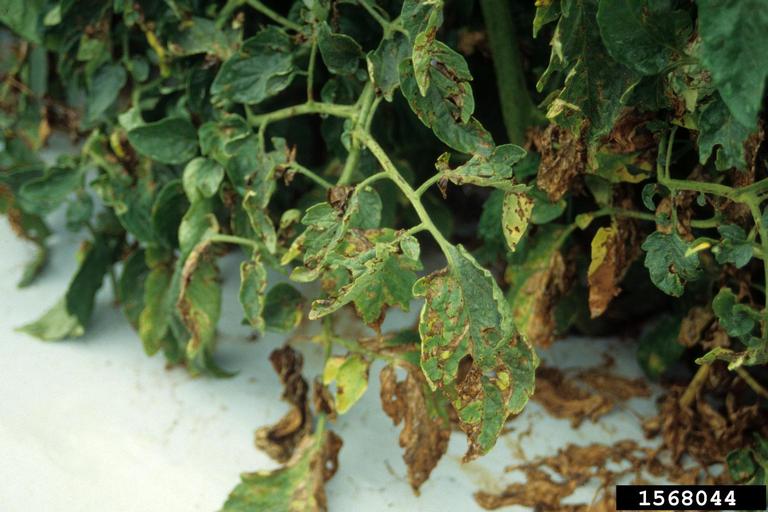
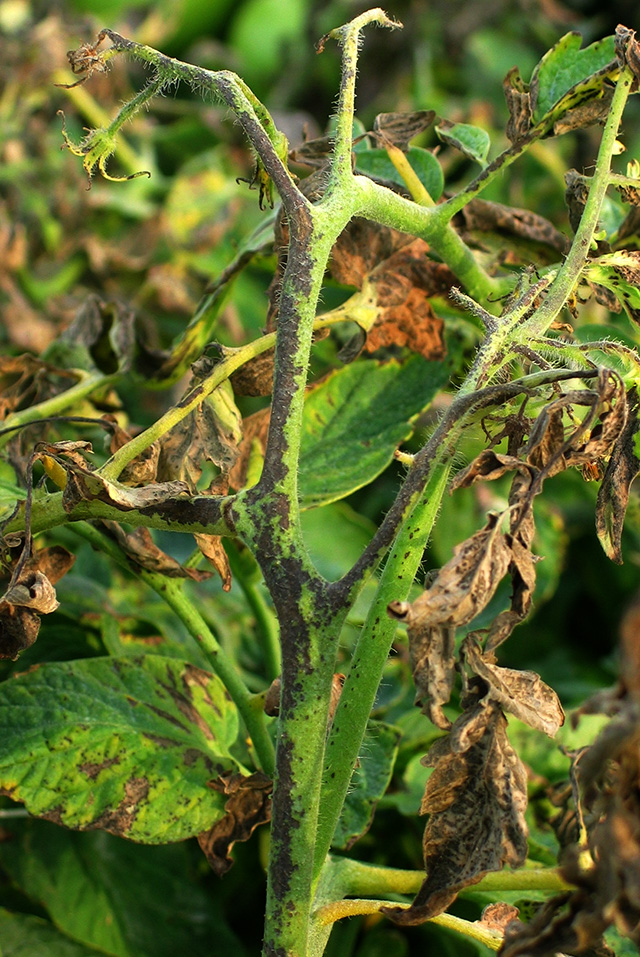
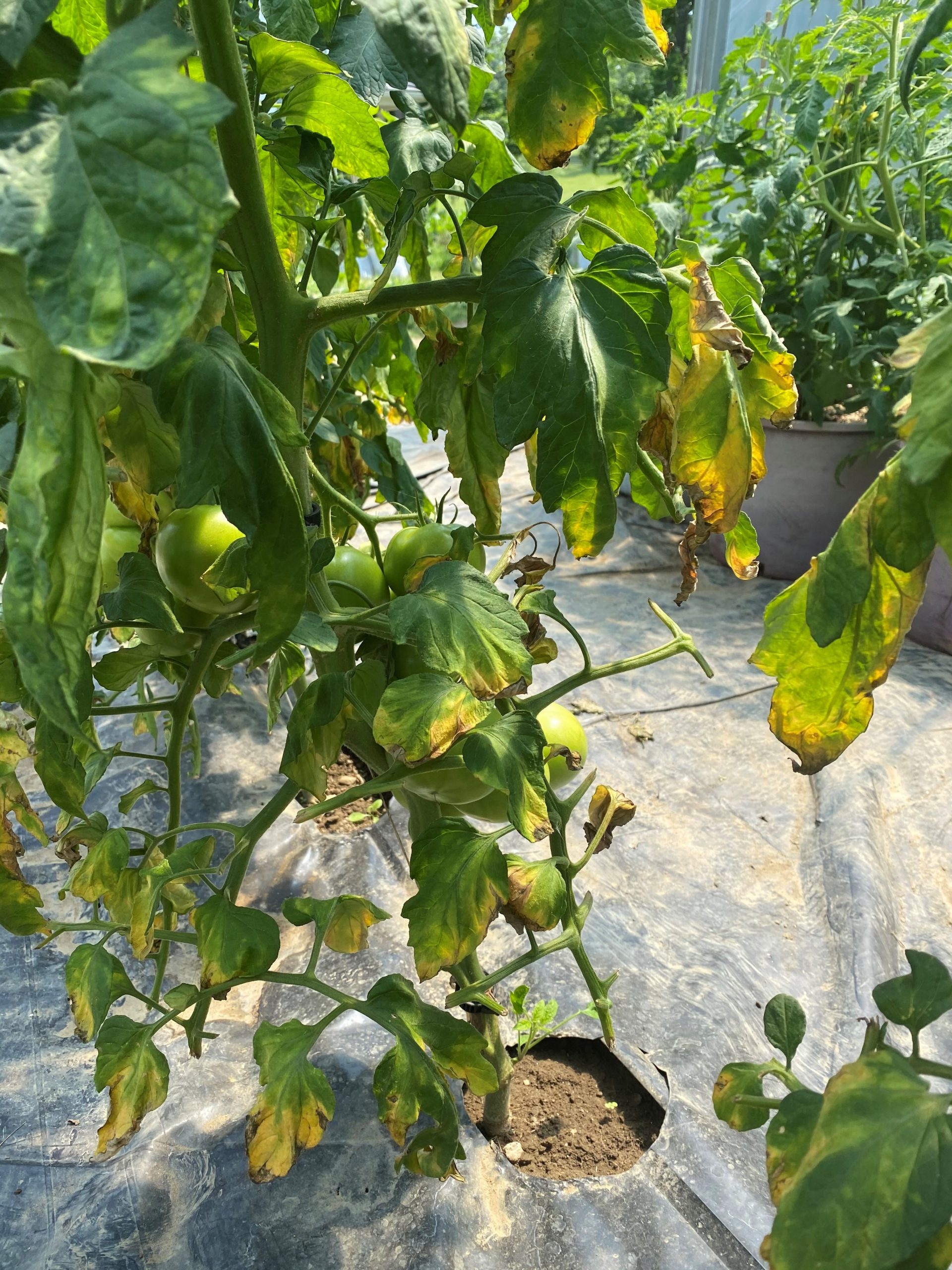
Bacterial Spot: The most common often destructive disease of peppers in the northeast. It is present wherever these solanaceous crops are grown. Spot lesions on leaves are generally water-soaked, brown and circular and coalesce into dark long streaks. Spots can also form on stems and fruit. Scout fields weekly to look for small brown leaf spots on plants.
Bacterial Speck: Lesions on leaves are round and dark brown to black with a halo that develops over time. Spots can coalesce, killing large areas of tissue. On unripe fruit, small dark spots or specks develop with the tissue around them more intensely green. This disease is generally a minor concern.
Bacterial Canker: The most destructive bacterial disease of tomatoes in our region. Initial symptoms are leaf curling, wilting, chlorosis, and shriveling of lower leaves. In advanced stages, the pathogen spreads throughout the plant and causes poor growth, wilt and plant death. Stems break easily and cankers form. Small raised white to yellow spots with a brown center (“bird’s eye spots”) form on fruit.
Similar management strategies can be applied when any of these three bacterial diseases have been identified in your field:
- Work infected fields last and try to avoid working in fields when they are wet. Do not use high pressure, air-blast sprayers which cause increased leaf infection in rows adjacent to spray alleys spreading the disease across rows. Destroy crop residue after harvest to encourage rapid decomposition.
- Effective management requires rotating to fields where solanaceous crops and weeds in the nightshade family have not existed for at least two years.
- Use a hot water treatment on seeds. Diseases-resistant varieties can also be found.
- Chemical controls by themselves are not sufficient to control a bacterial disease once it has been established.
- Bacterial diseases can overwinter in crop debris in the field or on wooden stakes. Disinfect before reusing.
Mites on Cucurbits
Two-spotted spider mites (TSSM) thrive in hot and dry weather and cause most of their injury during mid to late summer. Outbreaks can also occur due to the use of broad-spectrum insecticides that kill beneficial insects that typically keep the population under control. Because they are small and inhabit the undersides of leaves, new growth, or work their way within tender buds or flowers, they can be challenging to detect on their own, so look for plant symptoms to clue you in. Look for inward curling leaves, puckering and crinkling. Spider mites will also create webbing, and their feeding damage causes foliage to discolor, so look for light flecking or speckling which would indicate high populations have developed. You can also use a hand lens or microscope to look within buds for mites and their eggs.
Mites can be controlled chemically or biologically. TSSM are prone to developing pesticide resistance. Alternate between products after two applications to help prevent or delay resistance.
Blossom End Rot
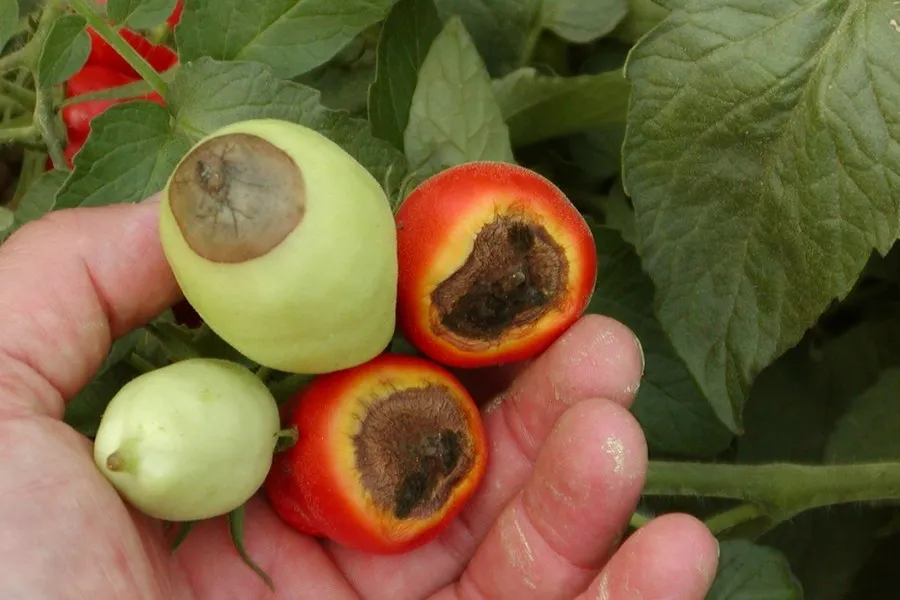
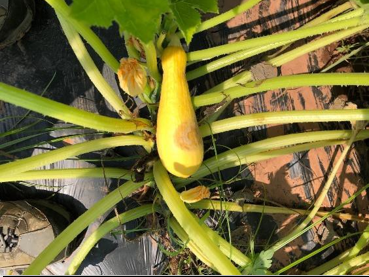
Blossom end rot (BER) is a very familiar abiotic disorder for many growers. It is commonly identified on peppers and tomatoes, but can affect squash too. Stressful growing conditions, especially dry spells, are usually to blame. However, if the fields are too wet and experience periods in which they do not drain efficiently, this can also lead to BER. Water management aimed at keeping the soil moisture consistent is the best strategy to reduce BER. Removing fruit with BER can reduce further losses as even damaged fruit will continue to mature and compete for the plant’s nutrients.
Additional management strategies include balancing vegetative and reproductive growth. Growth spurts with rapid expansion of young fruit often increases the likelihood of BER. Shade cloth can also be used to moderate high light and temperature in high tunnels or greenhouses and therefore further reduce plant stress. Due to the shape, plum and pear type tomatoes are more susceptible to BER than rounder fruit and cherry tomatoes. You may want to consider this when selecting which varieties to grow in the future.
Phytophthora Blight
Phytophthora (Phytophthora capisci) has become one of the more common diseases in solanaceous and cucurbit crops, whereas brassicas can typically be tolerant. We have recently confirmed phytophthora in a crop of ground cherries.
Phytophthora is long-lived in the soil and driven by moisture. The disease can infect all parts of the plant tissue, but the most apparent symptoms are wilting and white, powdered sugar-like spores on infected plant tissue. It can also cause crown, root, and fruit rot.
Management considerations:
- It requires 24 to 48 hours of soil saturation to start the disease cycle. Water management is crucial to prevent the disease cycle from starting.
- Break beds into smaller sections to allow water to leave field through lowest paths.
- Avoid bringing Phytophthora-contaminated soil into clean or fumigated fields by means of farm equipment and by working in clean fields first and cleaning equipment after working in contaminated fields.
- Do not throw rotting host crops purchased from off-farm fields into compost piles to be used on clean fields.
- Alternate between two or more soil-applied fungicides, beginning at planting and continuing throughout the season. This has been shown to be more effective than foliar applications. Several products are labeled for drench or trickle applications. See label rates and directions.
Ozone Injury
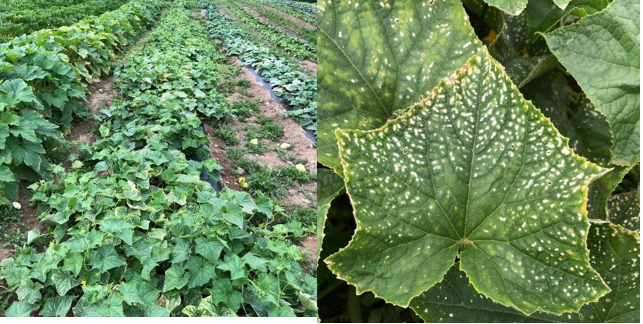
Last week saw another uptick in ozone levels, especially in the southern half of the state. Ozone injury in susceptible vegetable varieties develops when ozone levels are over 80 ppb for four or five consecutive hours, or 70 ppb for a day or two when vegetable foliage is at a susceptible stage of growth. Typically, the most susceptible vegetable crops include cucumber, potatoes, watermelon, cantaloupe, snap beans, pumpkins, and squash.
The best recommendation for managing susceptible crops when ozone levels are high is, to whatever extent possible, avoid additional stresses on plants. Do not apply unwarranted pesticides or nutrients during this period. Note which varieties show fewer symptoms and plan to select varieties that are less susceptible in the future.
For more information on the relationship between the Air Quality Index (AQI) and Ozone levels, visit the Air Quality Guide for Ozone and Particle Pollution. To monitor local trends, visit airnow.gov or CT Department of Agriculture's website for current 8-hour ozone tables.
Sweet Corn Pests - Trap Count Update
| Location | CEW (avg per night) | ECB - NY | ECB - IA | ECB - III |
| Shelton | 20 | 7 | 0 | 0 |
| Berlin | .5 | 0 | 0 | 1 |
| Glastonbury | 0 | 0 | 0 | 0 |
Spray Interval for Corn Earworm:
 View our Sweet Corn Pest ID Guide.
See the New England Vegetable Management Guide for management strategies for all sweet corn insect pests.
Food Safety Update: Cyclospora and Cyclosporiasis
|
Dr. Indu Upadhyaya, Associate Extension Professor of Poultry Science and Food Safety, recently published a fact sheet on the Cyclospora outbreak in fresh produce. This publication is meant to help the public better understand the science behind the outbreak, foods associated with previous outbreaks, common symptoms, what action steps can be taken to prevent contamination, and more. |
 |
Continue to be on the lookout
The following pests that were covered in the previous pest alerts and are still relevant in current conditions:
- Allium Leafminer
- Aphids
- Colorado Potato Beetles
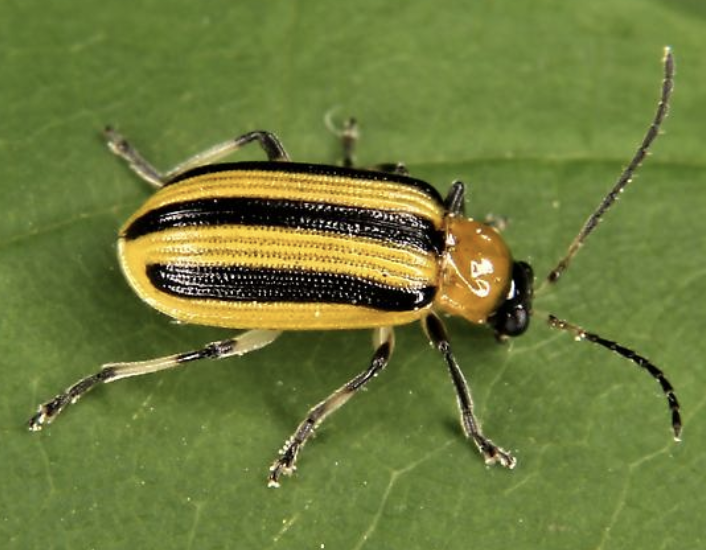
- Cucumber Beetles
- Flea Beetles
- Potato Leafhoppers
- Cabbage Root Maggot
- Onion Thrips
- Mites
Upcoming Events & Opportunities
Soil Matters Conference
Hosted by the Soil & Water Conservation Society (SWCS) Southern New England Chapter (SNEC)
July 30th, 8am to 4:30pm
University of Connecticut, Storrs Campus
Healthy soils and soil-smart practices are integral to nature-based solutions, successful wetland restorations and productive fields & gardens. SOIL MATTERS, SNEC’s 2026 conference, features several presentations of research findings by University of Connecticut’s College of Agriculture, Health and Natural Resources staff and students, as well as a pair of hands-on workshops on soil microscopy and soil classification (which includes a tour of the labs at UConn’s new George Leigh Minor Plant and Soil Health Center).
116th CAES Plant Science Day
August 5th, 10AM - 4PM
Lockwood Farm, 890 Evergreen Ave, Hamden
This annual hands-on event focuses on agriculture, public health, food safety, and the environment. There will be barn displays, field plots and exhibits to tour, technical demonstrations, plant disease diagnosis, plant identification, insect identification, activities for the kids, and CT pesticide credits offered.
Twilight Urban Farming Cut Flower Series
#3 - Intensive Production
August 6th, 6:30PM - 8PM
Backyard Blooms, Trumbull
Join UConn Extension's Urban Agriculture Team for a series of unique hands on learning experiences while touring urban flower farms.
This series is free to attend. All are welcome! Please contact Angela Lopez-Tejada if you have any questions.
Save These Dates!

2026 New England Vegetable & Fruit Conference
December 15, 16, 17, 2026
Manchester, New Hampshire

2027 UConn Extension Vegetable and Small Fruit Growers Conference
Tuesday, January 12th, 2027
UConn Student Union, Storrs, CT
Stay in touch with us
- Share what you see: We're here to assist with identification, management strategies, and guidance on best practices. Send us a photo/message via iMessage at 959-929-1031.
- Facebook Group: UConn Extension moderates a private Facebook group specifically for commercial vegetable producers. It is a space to share photos of insects and diseases you find in your fields, ask questions, share ideas, and stay engaged with growers across the state.
Join the "UConn Extension - Vegetable IPM" Facebook Group - Schedule a consultation: Would you benefit from meeting with an Extension Specialist at your farm to provide insight on pest or disease identification, management strategies, and more? If so, please contact our Vegetable Extension Specialist, Shuresh Ghimire, to setup a farm visit. Contact him at shuresh.ghimire@uconn.edu or 860-870-6933.
Contact Information
Shuresh Ghimire, Vegetable Extension Specialist: shuresh.ghimire@uconn.edu
Nicole Davidow, Vegetable Extension Outreach Assistant: nicole.davidow@uconn.edu
Vegetable IPM Office Phone Number:
860-870-6933
Vegetable IPM Cell Phone Number:
959-929-1031 (feel free to text/iMessage photos)
Any reference to commercial products, trade or brand names is for information only, and no endorsement or approval is intended. Always read the label before using any pesticide. The label is the legal document for product use. Disregard any information if it is in conflict with the label. UConn Extension does not guarantee or warrant the standard of any product referenced or imply approval of the product to the exclusion of others which also may be available. The University of Connecticut, UConn Extension, College of Agriculture, Health and Natural Resources is an equal opportunity program provider.