Colorado Potato Beetle
Author: Matthew DeBacco
Reviewed by: Shuresh Ghimire, Ph.D.
Associate Extension Educator
Extension Vegetable Specialist
Date of Publication: June 29, 2026
Introduction
The Colorado potato beetle (CPB), Leptinotarsa decemlineata, is often referred to as either the potato bug or ten-lined potato beetle. As in the name, potatoes are a target and may be the primary host, but this is not the only crop this insect targets. CPB can be a threat to other solanaceous crops such as tomatoes and eggplant. The adult beetle's larvae can cause sever defoliation to a plant and they have been known to develop resistance to insecticides which make CPB a challenging pest.
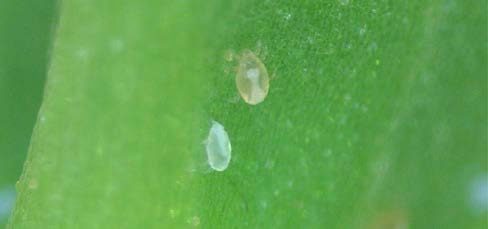
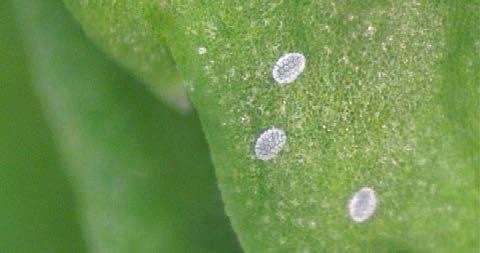
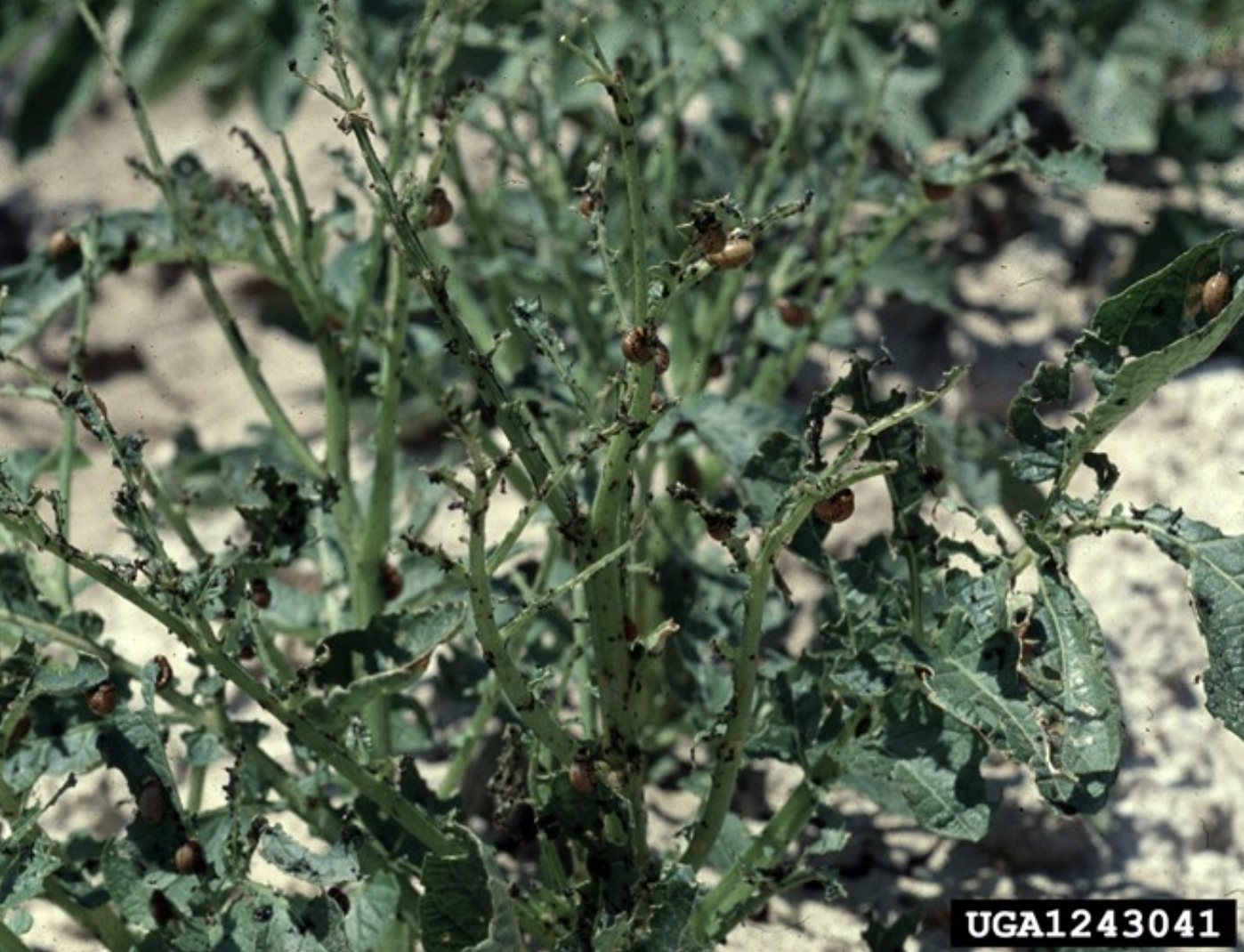
Symptoms:
Colorado potato beetle adult and larvae stages chew the leaves that start out as irregular holes that progress to larger ragged portions. Typically, the major leaf veins will remain intact, but the damage can stunt plants and reduce yields. The above ground fruits can also be directly fed on, but this is less often seen with the leaves being the main target.
Host Crops:
Potatoes are the primary target of these insects, but other solanaceous plants like tomatoes, eggplant and peppers will often not be ignored.
Identification of Insects
The adults are about 3/8 to ½” long and 3/8” wide with a yellow-orange prothorax and black spots and yellowish-white wing covers with a total of 10 narrow black stripes in a pattern of five per wing. The adult beetles have an oval humpback shape and are slow moving. They do not grip the plants tightly as when moving the plants the beetles will often drop to the ground.
The larvae have a similar humpback shape but are soft-bodied grubs that can be a dark brick red in early instar stages that progress more to an orange coloration in later instar stages. Both their heads and legs will be black with two rows of black spots along each side. It is this stage that can cause the majority of physical feeding damage to plants.
The pupae will be in the soil but not typically observed by growers.
Management
Cultural
Crop rotations to non-solanaceous crops with a 1,500ft.+ buffer from the previous years crop.
Trap crops can also be planted which can be either an early perimeter row of potatoes in a potato field, or a perimeter of potations in the tomato field since the potato plants are the preferred plant for these insects to feed on.
Timing plantings to avoid peak beetle activity (mid-June)
Mechanical Approaches
Physical barriers such as floating row covers can be effective is established early on during the plants life cycle.
Conventional Spray Products
Rotate insecticides with different modes of action (ex. abamectin, spinosad, thiamethoxam, chlorantraniliprole) to prevent resistance.
*Avoid over-relying on neonicotinoids (IRAC Group 4A). Consult New England Vegetable Management Guide.
Organic Spray Products
Spinosad (ex. Entrust, Monterey Garden Insect Spray) and azadirachtin (neem-based, ex. Aza-Direct) target young larvae. Apply at egg hatch for best results, as fourth instars are harder to control. Beauveria bassiana offers suppression but not immediate control.
References
Connecticut Agricultural Experiment Station. (n.d.). Colorado potato beetle (Leptinotarsa decemlineata). Retrieved July 3, 2025, from https://portal.ct.gov/caes/fact-sheets/entomology/colorado-potato-beetle-leptinotarsa-decemlineata
Iowa State University Extension and Outreach. (n.d.). Identification, biology and management of Colorado potato beetle. Retrieved July 3, 2025, from https://crops.extension.iastate.edu/encyclopedia/identification-biology-and-management-colorado-potato-beetle
Penn State Extension. (n.d.). Protect potato yields by managing Colorado potato beetles. Retrieved July 3, 2025, from https://extension.psu.edu/protect-potato-yields-by-managing-colorado-potato-beetles
University of Illinois Extension. (n.d.). Colorado potato beetle. Retrieved July 3, 2025, from https://extension.illinois.edu/insects/colorado-potato-beetle
University of Kentucky College of Agriculture, Food and Environment. (n.d.). Colorado potato beetle management (ENTFACT-312). Retrieved July 3, 2025, from https://entomology.ca.uky.edu/ef312
University of Massachusetts Amherst. (n.d.). Colorado potato beetle. Retrieved July 3, 2025, from https://www.umass.edu/agriculture-food-environment/vegetable/fact-sheets/colorado-potato-beetle
University of Minnesota Extension. (n.d.). Colorado potato beetle in home gardens. Retrieved July 3, 2025, from https://extension.umn.edu/yard-and-garden-insects/colorado-potato-beetle
University of New Hampshire Extension. (n.d.). Colorado potato beetle fact sheet. Retrieved July 3, 2025, from https://extension.unh.edu/resource/colorado-potato-beetle-fact-sheet
West Virginia University Extension. (n.d.). Colorado potato beetle. Retrieved July 3, 2025, from https://extension.wvu.edu/lawn-gardening-pests/pests/colorado-potato-beetle
Consult and follow pesticide labels for registered uses. To avoid potential phytotoxicity problems, spot test before widespread use. No discrimination is intended for any products not listed.
The information in this document is for educational purposes only. The recommendations contained are based on the best available knowledge at the time of publication. Any reference to commercial products, trade or brand names is for information only, and no endorsement or approval is intended. UConn Extension does not guarantee or warrant the standard of any product referenced or imply approval of the product to the exclusion of others which also may be available. The University of Connecticut, UConn Extension, College of Agriculture, Health and Natural Resources is an equal opportunity program provider and employer.